

Cyberwal in Galaxia Academy
Euro Space Center (Libin) – December 8th to December 12th, 2025
Free of charge
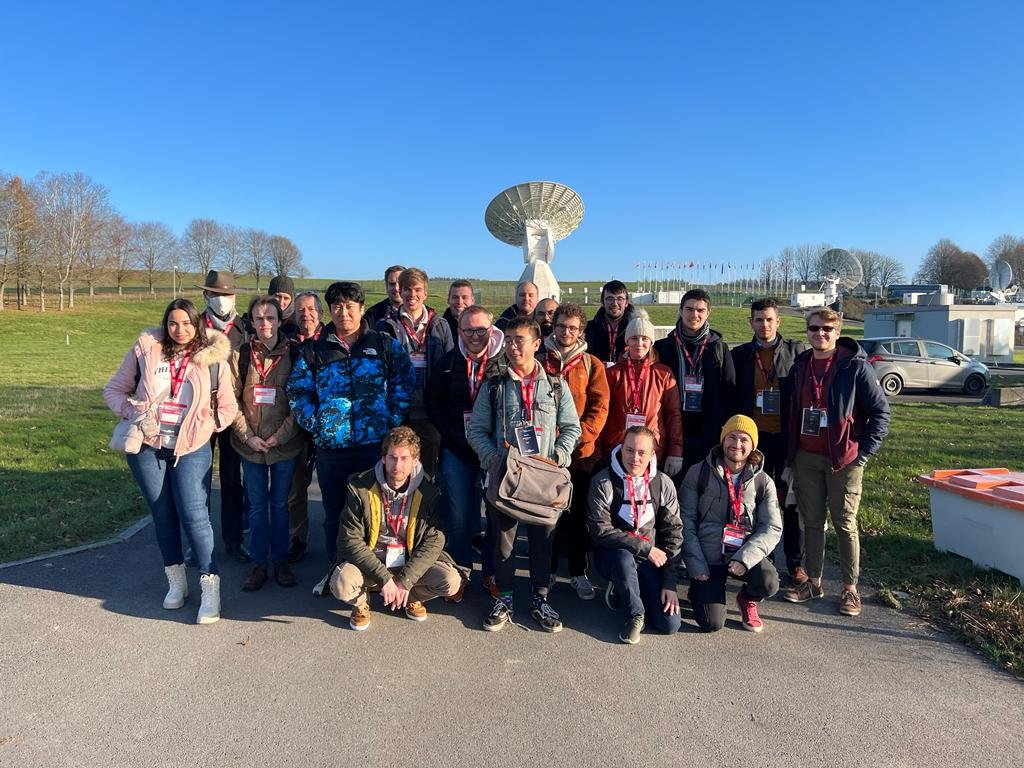
The Academy will take place on the Galaxia site in Transinne which, together with the European Space Agency (ESA) and the ESEC Centre in Redu (5 km away), forms a leading Space center in Europe.
800+
Participants
4th
Edition
14
Countries represented
The goal is to establish Wallonia as a hub of cybersecurity excellence,
recognized well beyond its borders, and to affirm its role as a strategic center addressing the fast-evolving needs of the international cyber ecosystem.
This program will take place at the Galaxia site in Transinne which, together with the European Space Agency (ESA) and the nearby ESEC Centre in Redu (5 km away), forms one of Europe’s leading space hubs.
At ESEC Redu, ESA has established its Cybersecurity Centre, dedicated to safeguarding the Agency’s ground infrastructures and space operations, ensuring the highest standards of cyber protection.

Located in the heart of Belgium, the Euro Space Center in Transinne is a flagship educational and scientific facility dedicated to space exploration. Each year, it welcomes around 16,000 young participants from 35 nationalities and attracts over 120,000 visitors with its interactive exhibitions and immersive experiences. Combining education, outreach, and innovation, it has become a European benchmark for space awareness.

Speakers
The organizers’ objective is to position these courses as a benchmark in high-level education on a European scale, while ensuring a direct connection with the real and evolving needs of the cyber ecosystem. By inviting renowned speakers and experts from academia, companies, and public institutions, the program guarantees both academic excellence and practical relevance, preparing participants to meet tomorrow’s cybersecurity challenges.
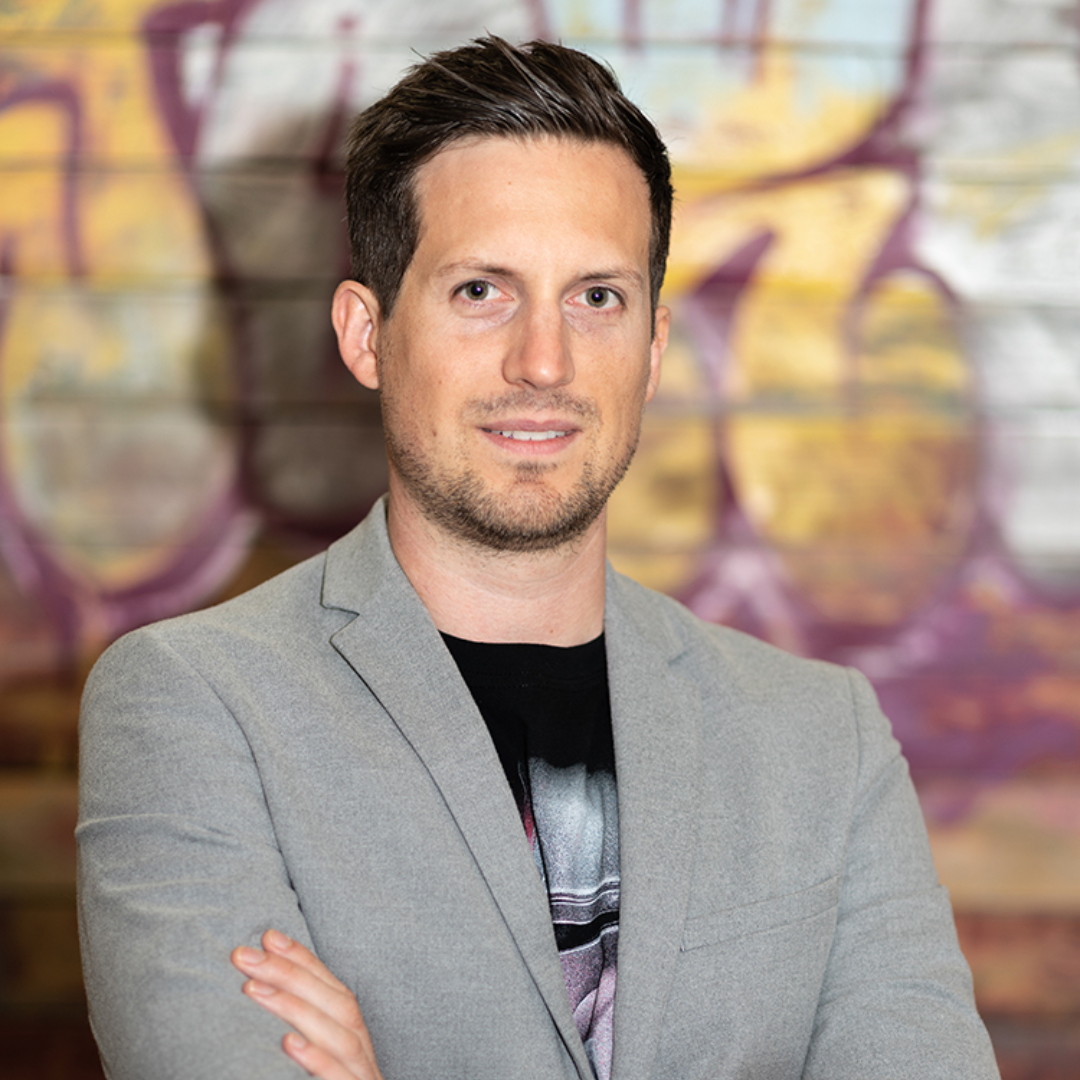
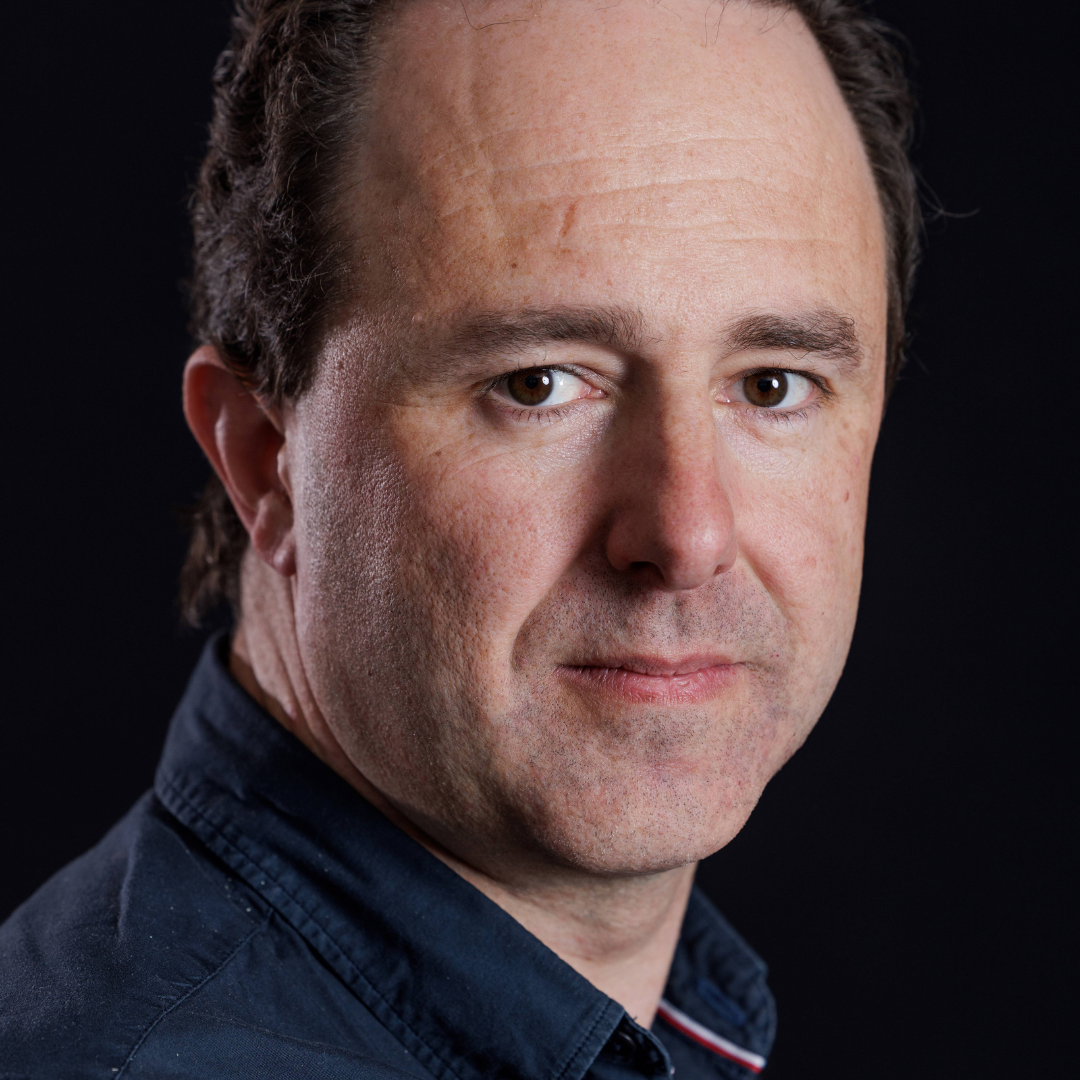
Burcu Özkaptan
Head of Telecommunication and Navigation
Telespazio Belgium
- 3 décembre
•
- 09:00-10:00
La sécurité informatique à l’ère quantique
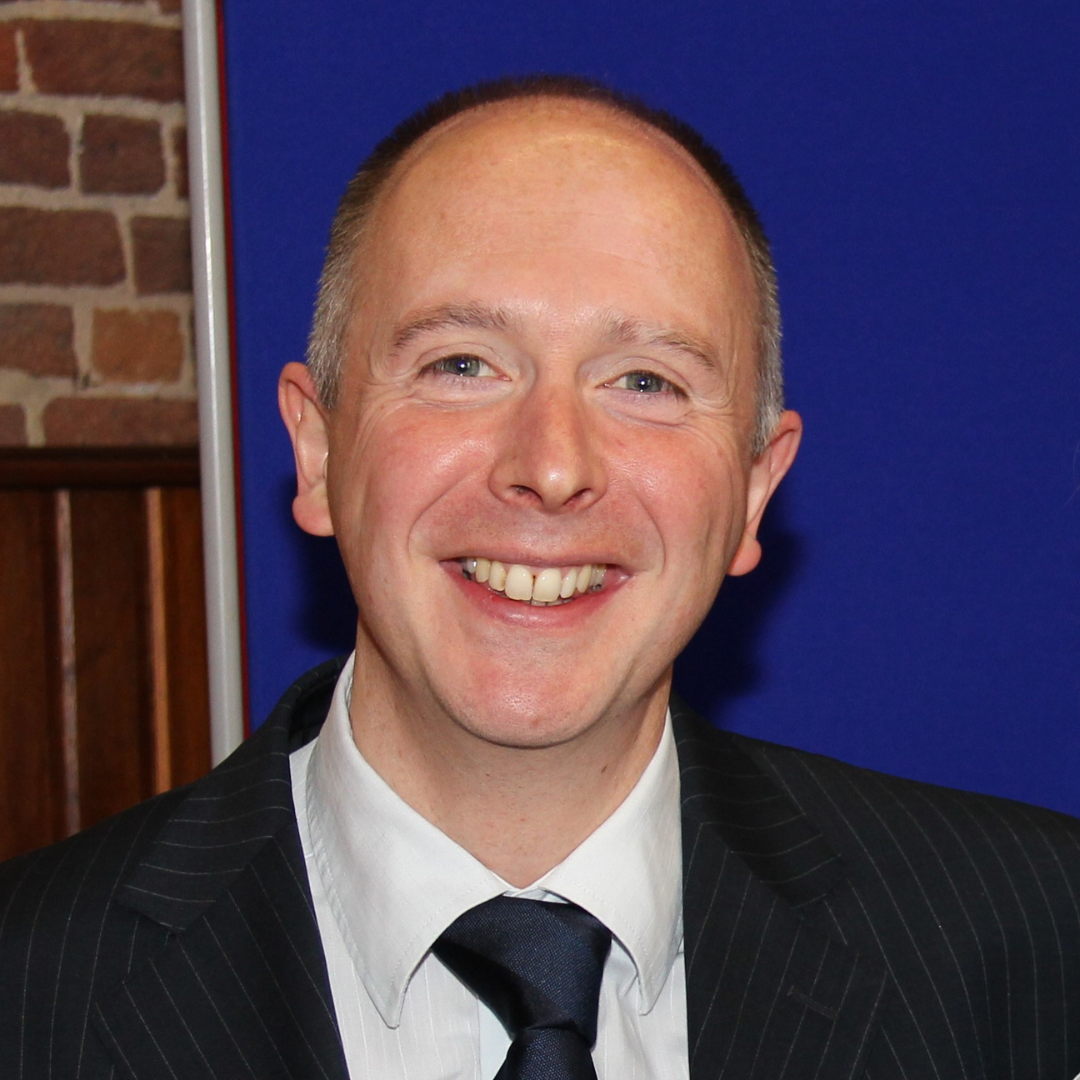
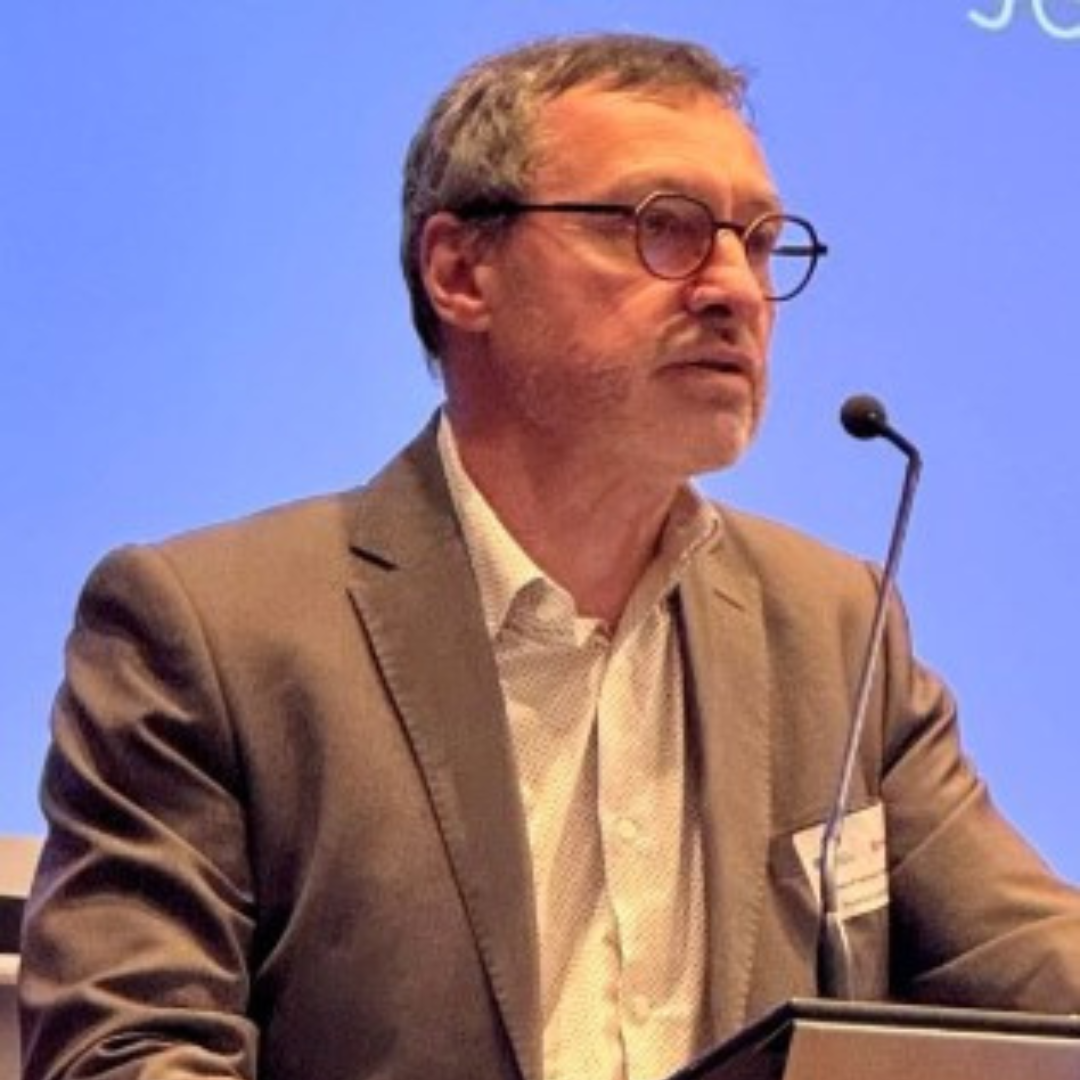
Christian Mack
Professor of Montreal University
Université de Montréal
- 3 décembre
•
- 09:00-10:00
La sécurité informatique à l’ère quantique
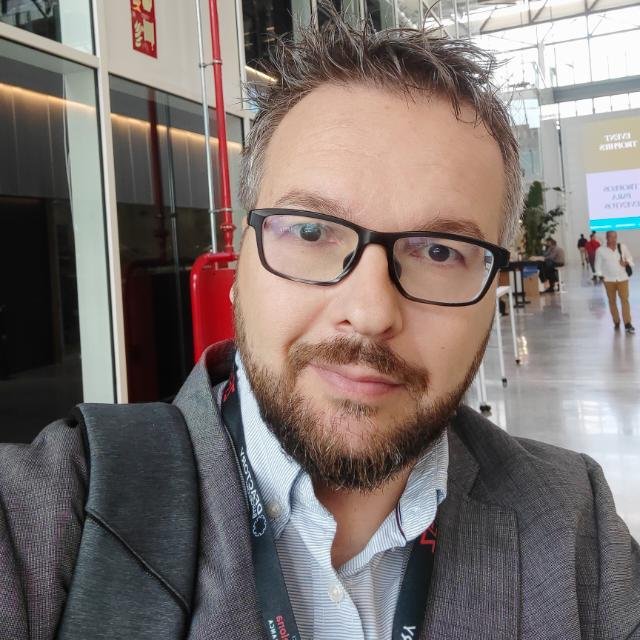
Cristel Pelsser
Professor
UCLouvain
- 3 décembre
•
- 09:00-10:00
La sécurité informatique à l’ère quantique
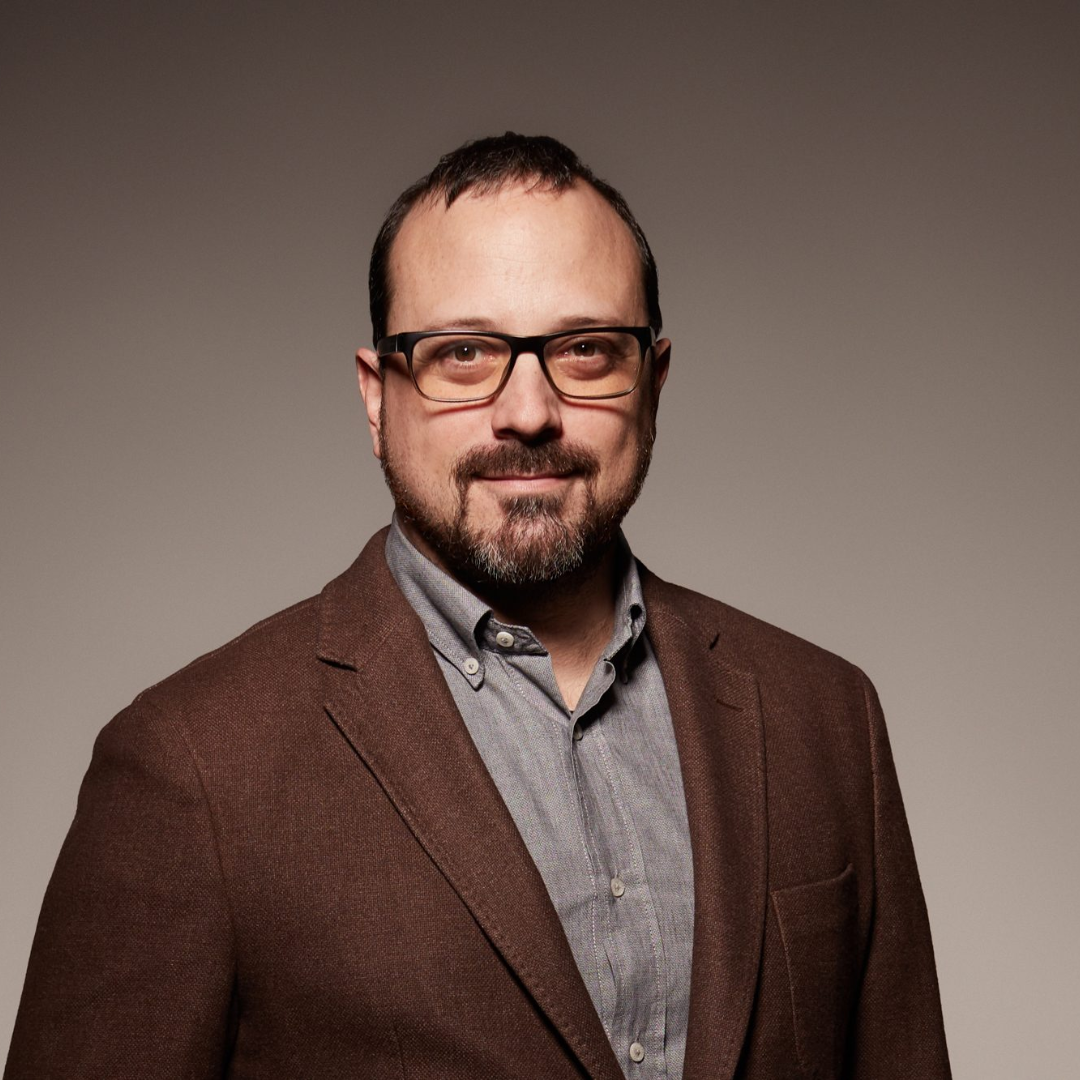
Emmanuelle de Foy
First Counsellor
Directorate General for Multilateral Issues
Federal Public Service (FPS) Foreign Affairs
Unit M4 Global Governance
- 3 décembre
•
- 09:00-10:00
La sécurité informatique à l’ère quantique
Giulia Rinaldi
Cyber Data Engineer Part of the Innovation & Product Policy Secure Communication and Information Systems Thales Belgium
Thales Belgium
- 3 décembre
•
- 09:00-10:00
La sécurité informatique à l’ère quantique
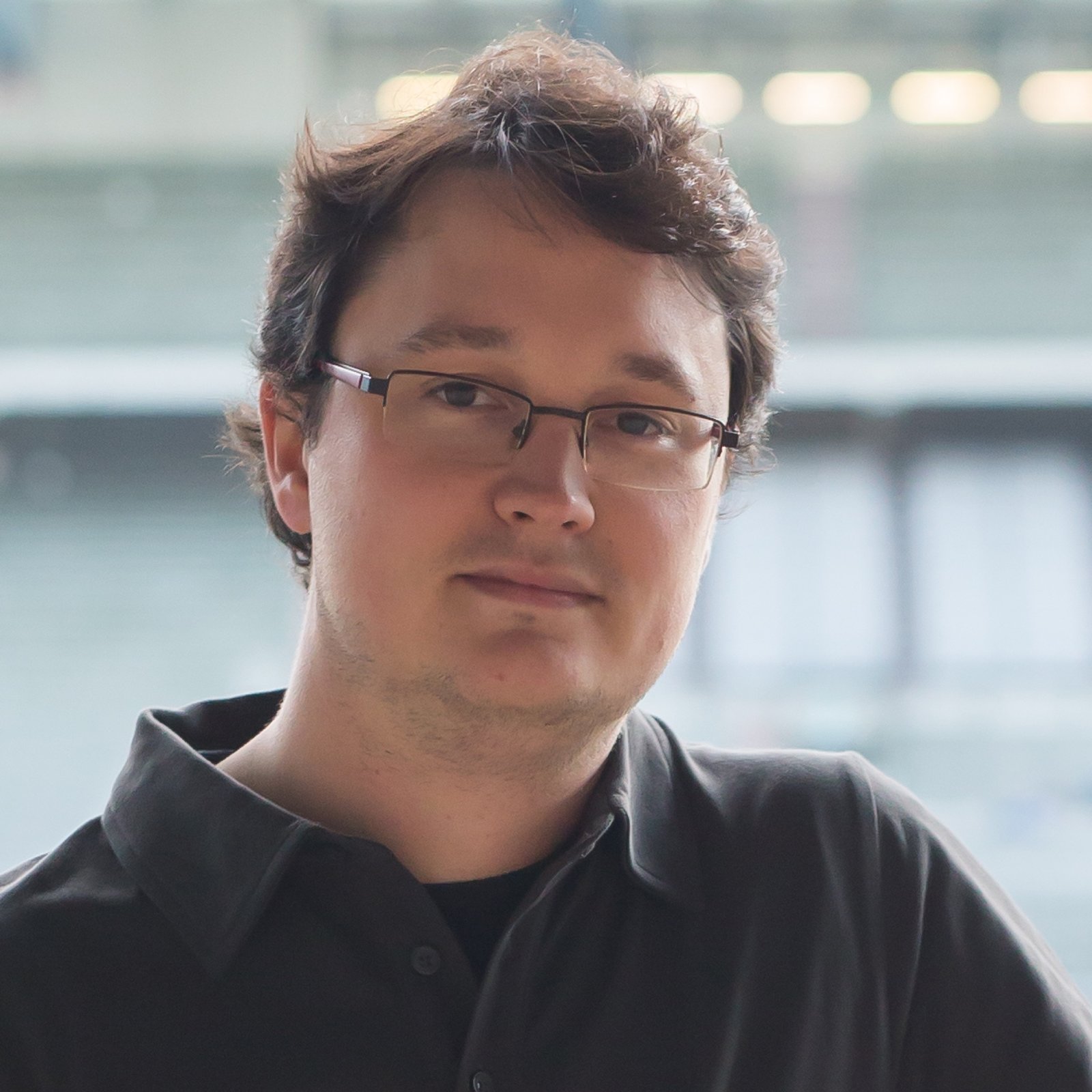
Laurens D'hooge
Postdoctoral researcher
IDLab-imec
- 3 décembre
•
- 09:00-10:00
La sécurité informatique à l’ère quantique
Maxime Gennart
Legal Advisor
Belgian Data Protection Authority
- 3 décembre
•
- 09:00-10:00
La sécurité informatique à l’ère quantique
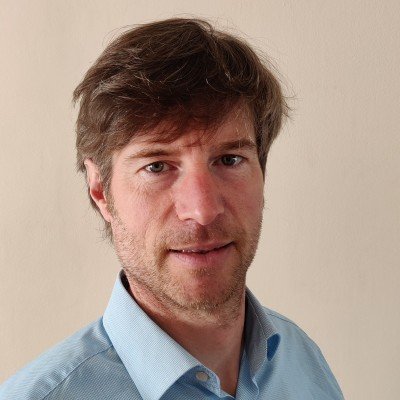
Merlijn Sebrechts
Senior Researcher
Imec – Ghent University
- 3 décembre
•
- 09:00-10:00
La sécurité informatique à l’ère quantique
Mohamed Boukhebouze
AI Product Manager
EarthLab Luxembourg
- 3 décembre
•
- 09:00-10:00
La sécurité informatique à l’ère quantique
Phédra Clouner
Deputy Director general
Centre for cybersecurity Belgium
- 3 décembre
•
- 09:00-10:00
La sécurité informatique à l’ère quantique
Philippe Massonet
Scientific Coordinator
CETIC
- 3 décembre
•
- 09:00-10:00
La sécurité informatique à l’ère quantique
Yvan De Mesmaeker
Secretary General
European Corporate Security Association – ECSA
- 3 décembre
•
- 09:00-10:00
La sécurité informatique à l’ère quantique
Stay tuned. More speakers to be announced soon!
Our Program for the 5 days
Over the course of five days, participants will benefit from a balanced mix of theoretical insights and practical training sessions, designed to combine knowledge acquisition with hands-on experience.
To encourage networking and informal exchanges, morning and afternoon breaks are scheduled each day, providing the opportunity to connect with peers, speakers, and experts.
The program still holds exciting surprises in store for you. Stay tuned further details about the program will be available soon.
- Day 1
Monday 08/12
- Day 2
Tuesday 09/12
- Day 3
Wednesday 10/12
- Day 4
Thursday 11/12
- Day 5
Friday 12/12
Institutional day
The opening day of the Cyberwal in Galaxia Academy aims to provide a comprehensive and structured panorama of cybersecurity, combining institutional, organizational, European, international, and strategic perspectives. Each contribution will follow a common thread: understanding how cybersecurity, beyond its technical dimension, has become a central issue of governance, sovereignty, and resilience for our societies.
Cybersecurity can no longer be regarded as an isolated field. It now permeates organizational governance, national regulation, European cooperation, international competition, the protection of fundamental rights, and global security.
Starting from regional challenges and extending to national and European perspectives, participants will discover how leading institutions are defining priorities, shaping skills, and establishing the frameworks needed to strengthen collective resilience. Through these complementary perspectives, the opening day will highlight both the challenges to be addressed and the solutions already underway, while outlining the path toward a shared maturity that is essential for building a stronger cybersecurity ecosystem, better prepared to face tomorrow’s threats.
- 08:00 - 09:00
Welcome & Registration
- 09:00 - 09:50
Luxembourg Cybersecurity Factory

Auditorium
The Luxembourg Cybersecurity Factory (LCF) is set to become a groundbreaking hub for collaboration, enabling the seamless collection, analysis, and sharing of critical cybersecurity data—from threat intelligence and vulnerabilities to the effectiveness of protective measures. Designed as an open cybersecurity data space, the LCF will integrate advanced data tools, a dedicated Open Source Program Office (OSPO), and robust governance frameworks to strengthen risk mitigation across sectors.
This initiative will empower organisations, especially SMEs, to develop innovative, autonomous cybersecurity solutions, fostering a vibrant ecosystem of data, tools, and real-world applications. In a second phase, the LCF will expand its partnership with the Luxembourg AI Factory (L-AIF), integrating AI capabilities to further enhance its impact.
By attracting cybersecurity data providers to contribute their datasets and supporting data curation for AI applications, Luxembourg aims to position the LCF as a global leader in open-source-driven cybersecurity innovation.
This initiative will empower organisations, especially SMEs, to develop innovative, autonomous cybersecurity solutions, fostering a vibrant ecosystem of data, tools, and real-world applications. In a second phase, the LCF will expand its partnership with the Luxembourg AI Factory (L-AIF), integrating AI capabilities to further enhance its impact.
By attracting cybersecurity data providers to contribute their datasets and supporting data curation for AI applications, Luxembourg aims to position the LCF as a global leader in open-source-driven cybersecurity innovation.

Pascal Steichen - CEO
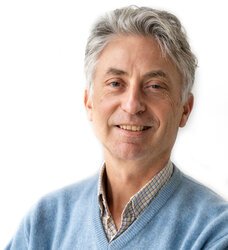
Kim Guldstrand Larsen - Professor at Aalborg University, Department of Computer Science, Denmark
- 09:50 - 10:40
What is the current situation on implementing (international) rules in the cyberspace
Emmanuelle de Foy (Federal Public Service (FPS) Foreign Affairs
Unit M4 Global Governance)
Auditorium
We are familiar with the off-line world, our material world, managed by rules and laws. When it comes to the online world (and more and more parts of our lifes go online, work, leisure, information, orders, bookings…), who are the actors and how are they behaving ? What is important or crucial ? What is allowed or not allowed ? How can you react ? These issues have been discussed in the United Nations since 1998. The presentation will deal with 2 sets of negotiations that are actually typifying the state of the world. The negotiations on a international framework on ICT will show the rivalry between democracies and autocracies and the weight of the Global South. The second negotiation will show even more precisely the rivalry about the conceptions of the applicable law and the values such as the protection of human rights). The presentation will quickly deal with other lines of efforts at the level of the European Union, the OSCE and the NATO.

Emmanuelle de Foy - First Counsellor & Directorate General for Multilateral Issues
Kim Guldstrand Larsen - Professor at Aalborg University, Department of Computer Science, Denmark
- 10:40 - 11:00
Coffee break
- 11:00 - 11:50
How to improve cybersecurity ? The Belgian approach!
Phedra Clouner (Centre for Cybersecurity Belgium)
Auditorium
During her presentation, Phédra Clouner will discuss how Belgium has implemented initiatives to make the country one of the least cyber-vulnerable countries in Europe.
She will review the role played by the national cyber security agency, the CCB, in the Belgian landscape.
She will discuss the types of threats facing the country and how these threats have evolved in line with changes in the geopolitical context and the emergence of new technologies.
She will then detail the actions put in place to counter these threats for different target audiences, as well as the governance that supports them, specifying concepts and their implementation, such as Active Cyber Protection, Cyberfundamentals, spearwarning, the involvement of the population in its own protection, etc.
She will also discuss how the various European regulations have been implemented by the CCB.

Phedra Clouner - Deputy Director General
- 11:50 - 12:10
The Digital Wallonia cybersecurity strategy: achievements and next steps
Jeremy Grandclaudon (ADN)
Auditorium
The Walloon Region’s Digital Wallonia strategy is the cornerstone of its digital transformation, aiming to foster innovation, economic growth, and societal resilience through technology. Within this framework, cybersecurity is a major pillar, ensuring trust and security across all digital initiatives. Our cybersecurity projects drive this ambition by supporting SMEs, strengthening private and public infrastructures, and aligning with European directives such as NIS2 or CRA . Its approach combines awareness campaigns, skills development, and practical tools
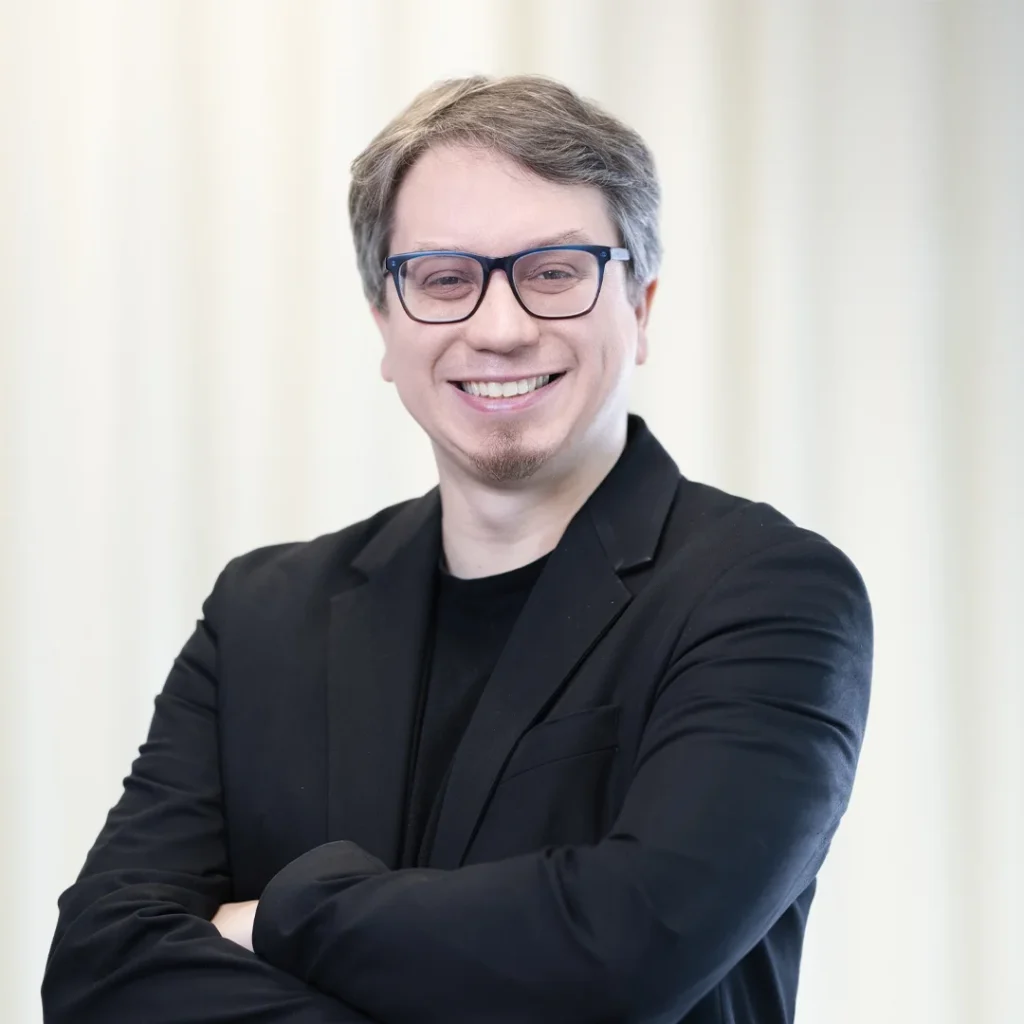
Jeremy Grandclaudon - Senior Cybersecurity Expert for Agency for Digital
- 12:10 - 13:25
Lunch
- 13:25 - 14:15
NIS2, Who must act to ensure cybersecurity protections?
Georges Ataya (Solvay Brussels School of Economics and Management)
Auditorium
The rapid evolution of digital threats highlights the persistent weaknesses of many companies, often unprepared to meet the requirements of the NIS2 directive. This new regulation directly engages business leaders, who must integrate cybersecurity into their governance. It also opens new opportunities for experts and students, whose skills are now essential to digital resilience. Finally, it mobilizes digital managers and entrepreneurs as key drivers of lasting change toward a shared culture of security.
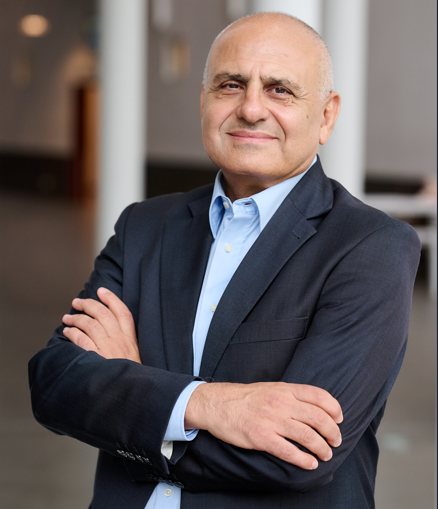
Georges Ataya - Professor
- 14:15 - 15:05
Security and Compliance: Cybersecurity at the Heart of the Right to Data Protection
Auditorium
Security is not a mere technical requirement; it is an essential component of responsibility and trust in digital environments.
The fundamental right personal data protection and cybersecurity are two sides of the same coin.
As the authority supervising and enforcing this right, the Data Protection Authority (DPA) plays a central role in promoting safe digital environments.
This presentation will first explore the DPA’s role in cybersecurity. It will then address the obligations arising from the principle of data confidentiality and security (Article 32 of the GDPR), as well as those linked to data protection by design and by default (Article 25).
These concepts will be illustrated with concrete examples drawn from use cases, demonstrating how these legal principles are translated into effective security practices.

Maxime Gennart - Legal Advisor
- 15:05 - 15:25
Coffee break
- 15:25 - 16:15
How Cyber Security fits into Global Corporate Security
Auditorium
Although practised as an art and science for ages, cryptography had to wait until the mid-twentieth century for Claude Shannon to endow it with a rigorous mathematical foundation. However, Shannon’s approach was rooted in his own information theory, itself inspired by the classical physics of Newton and Einstein. Yet, the world in which we live is subject to the laws of quantum theory, no matter how bewildering, whose experimental verification half a century ago was rewarded in 2022 by the Nobel Prize in Physics. When quantum theory is taken into account, new vistas open up both for codemakers and codebreakers. Is this a blessing or a curse for cybersecurity? Quantum computers will soon be capable of computations that would be unthinkable for a conventional computer, which will seriously undermine the so-called security of Internet communications as we practise them today. Nevertheless, the same quantum theory gives rise to new cryptographic paradigms that are in principle invulnerable to arbitrary attacks, even by an adversary capable of harnessing unlimited computing power and technology. However, this unconditional security requires quantum cryptography to be implemented according to the theory, which is very challenging. Will the cat-and-mouse game between codebreakers and codemakers soon reach a decisive outcome? As we shall see, the jury is still out!
No prior knowledge in cryptography or quantum theory will be assumed. Please note that this talk will be given in French, with slides written in English.

Yvan De Mesmaeker - Secretary General
- 16:15 - 17:05
Forging resilience: Cyber defense in a shifting hybrid landscape
Général Pierre Ciparisse (Cyber Force)
Auditorium
Although practised as an art and science for ages, cryptography had to wait until the mid-twentieth century for Claude Shannon to endow it with a rigorous mathematical foundation. However, Shannon’s approach was rooted in his own information theory, itself inspired by the classical physics of Newton and Einstein. Yet, the world in which we live is subject to the laws of quantum theory, no matter how bewildering, whose experimental verification half a century ago was rewarded in 2022 by the Nobel Prize in Physics. When quantum theory is taken into account, new vistas open up both for codemakers and codebreakers. Is this a blessing or a curse for cybersecurity? Quantum computers will soon be capable of computations that would be unthinkable for a conventional computer, which will seriously undermine the so-called security of Internet communications as we practise them today. Nevertheless, the same quantum theory gives rise to new cryptographic paradigms that are in principle invulnerable to arbitrary attacks, even by an adversary capable of harnessing unlimited computing power and technology. However, this unconditional security requires quantum cryptography to be implemented according to the theory, which is very challenging. Will the cat-and-mouse game between codebreakers and codemakers soon reach a decisive outcome? As we shall see, the jury is still out!
No prior knowledge in cryptography or quantum theory will be assumed. Please note that this talk will be given in French, with slides written in English.
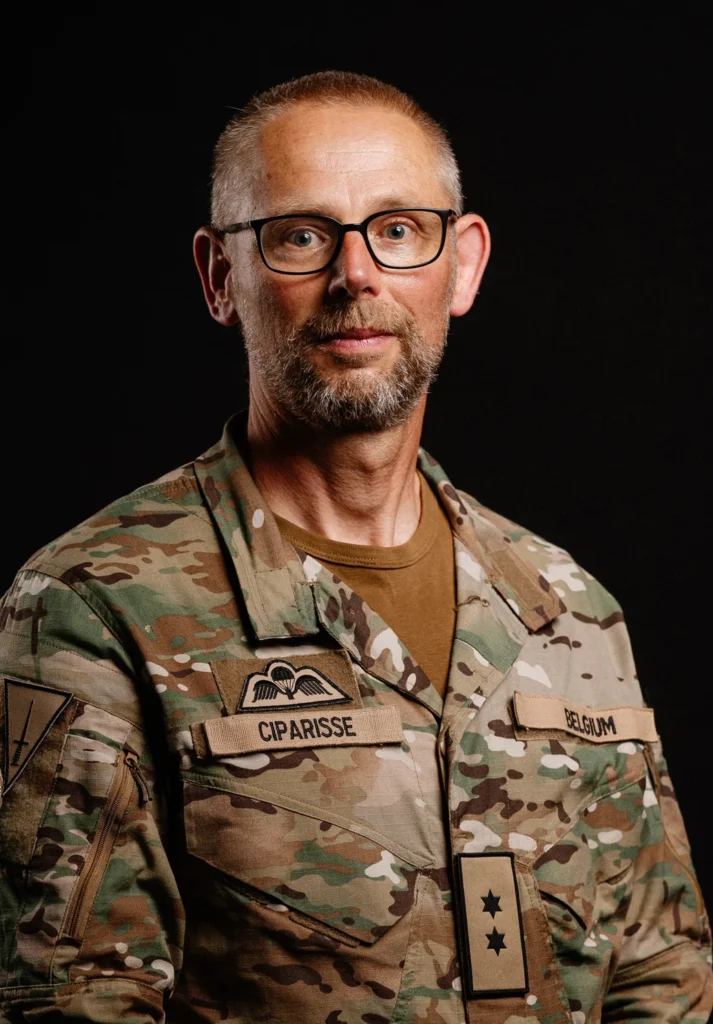
Pierre Ciparisse - Major General
- 17:05 - 17:25
Q&A
Général Pierre Ciparisse
Auditorium
Although practised as an art and science for ages, cryptography had to wait until the mid-twentieth century for Claude Shannon to endow it with a rigorous mathematical foundation. However, Shannon’s approach was rooted in his own information theory, itself inspired by the classical physics of Newton and Einstein. Yet, the world in which we live is subject to the laws of quantum theory, no matter how bewildering, whose experimental verification half a century ago was rewarded in 2022 by the Nobel Prize in Physics. When quantum theory is taken into account, new vistas open up both for codemakers and codebreakers. Is this a blessing or a curse for cybersecurity? Quantum computers will soon be capable of computations that would be unthinkable for a conventional computer, which will seriously undermine the so-called security of Internet communications as we practise them today. Nevertheless, the same quantum theory gives rise to new cryptographic paradigms that are in principle invulnerable to arbitrary attacks, even by an adversary capable of harnessing unlimited computing power and technology. However, this unconditional security requires quantum cryptography to be implemented according to the theory, which is very challenging. Will the cat-and-mouse game between codebreakers and codemakers soon reach a decisive outcome? As we shall see, the jury is still out!
No prior knowledge in cryptography or quantum theory will be assumed. Please note that this talk will be given in French, with slides written in English.
Général Pierre Ciparisse - Cyber Command
Cyber & AI Day
This day of the Cyberwal in Galaxia Academy explores the latest advancements in artificial intelligence (AI) as applied to cybersecurity and secure communications.
The day begins with an introduction to AI’s role in these critical fields, followed by presentations on innovative projects such as AIDE. Then, a session will explore how different types of AI technologies can be used to automatically generate cybersecurity functional and penetration tests, for both black box and white bow testing.
The agenda includes discussions on securing radio frequency (R/F) communications, protecting machine learning models for unmanned vehicles, and the latest developments in homomorphic encryption. Leading experts from institutions and companies—including UCLouvain, UNamur, Cetic, Multitel, imec/IDLab, Thales and Telespazio, will share their expertise and solutions.
The program also features sessions on explainable and trustworthy AI, as well as networking opportunities to encourage collaboration. The event aims to provide a holistic view of the opportunities and challenges in leveraging AI for modern cybersecurity, fostering innovation and knowledge exchange.
- 08:00 - 09:00
Welcome & Registration
- 09:00 - 09:15
Introduction to the 'AI day’
Jonathan Pisane (Thales Belgium) and Philippe Massonet (CETIC)
Auditorium
The introduction to the AI day will, afetr a brief introduction to the topic of AI for Cybersecurity, explain the objectives of the day, introduce the program and the speakers of the day.
Jonathan Pisane - Innovation & Product Policy Manager

Philippe Massonet - Scientific Coordinator
- 09:15 - 09:45
Overview of the use of AI in cyber
Laurens D’Hooge (IDLab-imec)
Auditorium
Dr. D’hooge’s presentation will be divided in two parts: a plunge into the current research landscape where AI is applied to cybersecurity and an overview of the AIDE project which aims at a platform for secure, federated machine learning.
The first part will cover the state-of-the-art in topics such as network intrusion detection and malware detection as well as a host of other topics where machine learning (ML) is being leveraged to solve cybersecurity issues. The talk will include guidelines on solid ML experiment design and evaluation to reach more reliable and reproducible results with a key focus on the importance of model generalization.

Laurens D'hooge - Postdoctoral researcher
- 09:45 - 10:00
Presentation of the AIDE project
Laurens D’Hooge (IDLab-imec)
Auditorium
The second part will dive deep into imec’s role as integrator for the AIDE project, financed by FOD Bosa to research and develop secure infrastructure in academia for Belgian companies to jointly train and evaluate machine learning models without sharing data in a federated manner.
Laurens D'hooge - Postdoctoral researcher
- 10:00 - 10:45
AI-powered tools and cybersecurity: the role of prompting
Vassili Joannidès de Lautour (Parma University)
Auditorium
With the development of LLMs, generative AI has been democratised, making prompting the new must-have skill. According to an OpenAI study, 80% or generative AI users believe they know how to prompt but do not. 15% can write decent, yet incomplete and insecure prompts whilst only 5% have a perfect command of prompting. This has caused the occurring of a number of loopholes for cybersecurity, some whereof are covered in this presentation. In the first place, It is no longer needed to have a good command of coding, prompting may suffice. Secured systems may be vulnerable to well-designed prompts, a new generation of hackers. Secondly, prompt amateurs may not be able to discern hallucination and other AI-generated creations whilst engineers would. Thirdly, AI-powered tools may be vulnerable if they are not secured through some basic tools (APIs, tokens, etc.) Fourthly, the prompt at the core of AI-powered tools may be vulnerable, if they are misconceived (loose instructions, no fallback mechanisms, no reflexivity, etc.)

Vassili Joannidès de Lautour - Consultant in AI for education and affiliate professor
- 10:45 - 11:00
Coffee break
- 11:00 - 12:00
AI-powered tools and cybersecurity: tests generation
Xavier Devroey (Unamur), Martin Vivian (UCLouvain) and Guillaume Ginis (CETIC)
Auditorium
Although practised as an art and science for ages, cryptography had to wait until the mid-twentieth century for Claude Shannon to endow it with a rigorous mathematical foundation. However, Shannon’s approach was rooted in his own information theory, itself inspired by the classical physics of Newton and Einstein. Yet, the world in which we live is subject to the laws of quantum theory, no matter how bewildering, whose experimental verification half a century ago was rewarded in 2022 by the Nobel Prize in Physics. When quantum theory is taken into account, new vistas open up both for codemakers and codebreakers. Is this a blessing or a curse for cybersecurity? Quantum computers will soon be capable of computations that would be unthinkable for a conventional computer, which will seriously undermine the so-called security of Internet communications as we practise them today. Nevertheless, the same quantum theory gives rise to new cryptographic paradigms that are in principle invulnerable to arbitrary attacks, even by an adversary capable of harnessing unlimited computing power and technology. However, this unconditional security requires quantum cryptography to be implemented according to the theory, which is very challenging. Will the cat-and-mouse game between codebreakers and codemakers soon reach a decisive outcome? As we shall see, the jury is still out!
No prior knowledge in cryptography or quantum theory will be assumed. Please note that this talk will be given in French, with slides written in English.
Automated test case generation using search algorithms
Automated test case generation is a powerful technique to improve software quality while reducing validation costs. This talk explores how search-based algorithms can be leveraged to generate effective test suites, drawing on insights from recent research. We begin by introducing the fundamentals of search-based testing, illustrated through tools like EvoSuite and Pynguin, which optimize coverage criteria to produce high-quality tests. We then show how these algorithms can be specialized to detect specific fault types, such as API misuse or integration errors between classes. These approaches combine static analysis with targeted search heuristics to narrow the test space to critical code regions, enhancing fault detection precision and efficiency. Finally, we discuss how search algorithms can be dynamically tuned to focus on particular scenarios, such as Python C-extensions or complex inter-class interactions in Java, opening new avenues for adaptive and context-aware test generation.
Xavier Devroey - Professor of Software Engineering, NADI
Improving Protocols Fuzzing
For many proprietary systems source code and documentation are not available which makes them hard to test leaving only black-box approaches. In this work, we present an experience of fuzzing a protocol for drone control and the developed tool BinFuzz. BinFuzz is a man-in-the-middle stateful black-box protocol fuzzer. Listening to real communication as a man-in-the-middle, the fuzzer reconstructs states of the protocol as well as detects message types and their variable fields. The collected knowledge is used during the fuzzing to improve the quality of the generated inputs. For the application, we first test BinFuzz on an FTP protocol and then use it to fuzz the protocol for drone control.
Martin Vivian - Research Assistant
LLMs White Hat Hacker
This study explores the potential use of Large Language Models (LLMs) in supporting the development of penetration test scripts. The research was conducted in two phases: exploration and comparison. In the exploration phase, we gained insights into the strengths and weaknesses of LLMs and learned how to develop prompts for satisfying results. In the comparison phase, a rigorous comparaison was made between various online and local LLMs and various use cases.
Guillaume Ginis - Senior Researcher in Cybersecurity
- 12:00 - 12:30
Automating Security Testing for Critical Systems: Insights from CYRUS & CRESCENDO
Christian Mack (Guardis SRL)
Auditorium
Cyber-physical systems in sectors such as defense, energy and transportation must operate under strict safety and availability constraints, while facing growing cyber-threats and regulatory pressure (NIS2, CRA, IEC 62443). Traditional security assessments are often too slow, costly and difficult to reproduce in these contexts.
This presentation introduces a risk-based, automated testing platform developed through the CYRUS (2021–2023) and CRESCENDO (2023–2025) projects. The approach integrates leading standards and frameworks (PTES, NIST SP 800-115, MITRE ATT&CK for ICS) to provide reusable workflows covering asset discovery, protocol fingerprinting (Modbus, CAN, BACnet) and controlled exploit validation. A proof-management process ensures full traceability and auditability.
Applied to representative critical infrastructures, the solution has demonstrated significant business and technical benefits. It reduces audit preparation time, accelerates re-testing cycles, and improves remediation prioritization. At the same time, it expands attack-surface coverage, strengthens vulnerability-to-asset correlation, and produces reproducible reports aligned with ISO/IEC 27001 and IEC 62443.
The talk will also highlight remaining challenges — support for proprietary protocols, SBOM/VEX integration, and enhanced incident-reporting workflows and discuss perspectives for industrial adoption.
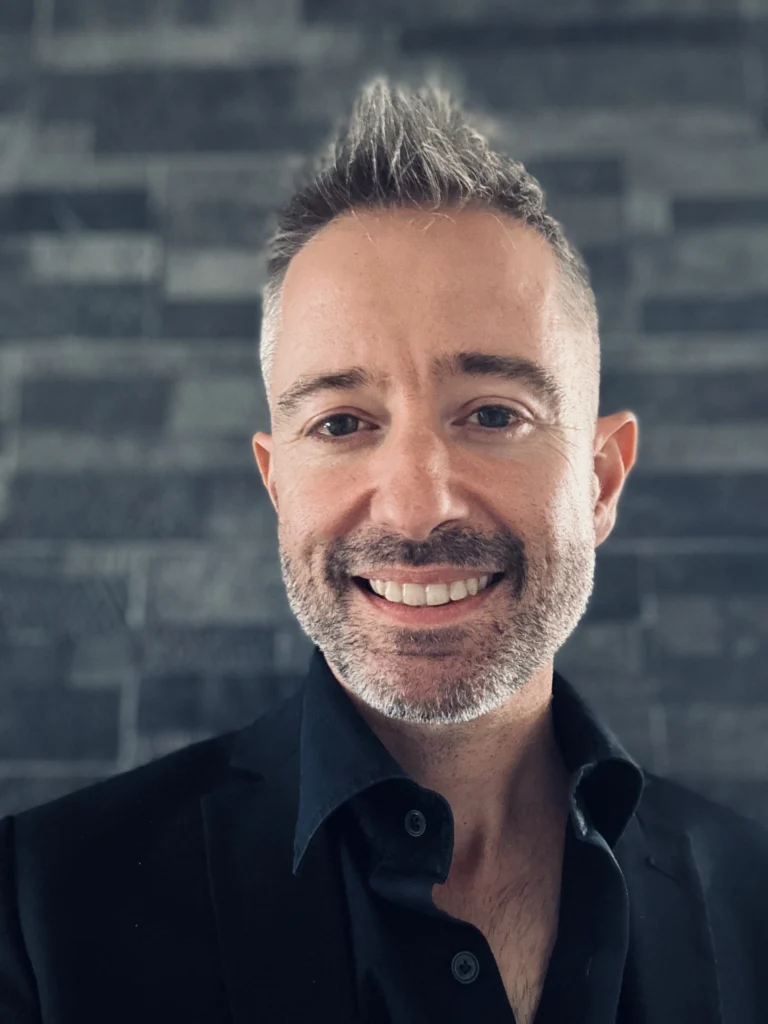
Christian Mack - COO
- 12:30 - 13:30
Lunch break
- 13:30 - 14:00
AI for secure R/F communications: industrial approach
Burcu Özkaptan (Telespazio)
Auditorium
Our project presents a prototype of a Positioning, Navigation, and Timing (PNT) user equipment that integrates 4G and GNSS technologies to deliver highly reliable navigation capabilities for safety-critical applications, even under hostile environmental conditions or signal interference. The hybrid system is designed to enhance the performance and resilience of autonomous vehicles, particularly in urban environments where GNSS reliability is compromised due to superstructures and 4G networks are dense, and in rural environments where the mobile networks are scarce. Key use cases include autonomous docking in ports and autonomous ground vehicles in airports, both of which demand high safety standards and benefit from mobile network deployments. Besides positioning hybridization of GNSS with 4G mobile networks, the prototype uses machine learning techniques on both spectra for interference detection and classification, and signal processing algorithms for interference mitigation and features intelligent sensor switching based on signal quality indicators. A machine learning-based system assesses signal integrity in the spectrum of interest and recommends optimal PNT sources, ensuring robust navigation outputs for vehicle systems. The solution is compact and suitable for integration into UAVs, supporting future applications in urban air mobility and infrastructure monitoring. The PNT solution is reliable, robust and secure in the presence of interferers, and it is suitable for safety critical applications even in case of hostile environment conditions or attacks on the GNSS or mobile bands.

Burcu Özkaptan - Head of Telecommunication and Navigation
- 14:00 - 15:00
Explainable & Trustworthy AI
Luca La Fisca (Umons/Trail/ARIAC), Giulia Rinaldi (Thales): Trustworthy AI & Nicolas Sournac (Multitel): Explicability of AI, TRAIL (Trusted AI Labs)
Auditorium
Although practised as an art and science for ages, cryptography had to wait until the mid-twentieth century for Claude Shannon to endow it with a rigorous mathematical foundation. However, Shannon’s approach was rooted in his own information theory, itself inspired by the classical physics of Newton and Einstein. Yet, the world in which we live is subject to the laws of quantum theory, no matter how bewildering, whose experimental verification half a century ago was rewarded in 2022 by the Nobel Prize in Physics. When quantum theory is taken into account, new vistas open up both for codemakers and codebreakers. Is this a blessing or a curse for cybersecurity? Quantum computers will soon be capable of computations that would be unthinkable for a conventional computer, which will seriously undermine the so-called security of Internet communications as we practise them today. Nevertheless, the same quantum theory gives rise to new cryptographic paradigms that are in principle invulnerable to arbitrary attacks, even by an adversary capable of harnessing unlimited computing power and technology. However, this unconditional security requires quantum cryptography to be implemented according to the theory, which is very challenging. Will the cat-and-mouse game between codebreakers and codemakers soon reach a decisive outcome? As we shall see, the jury is still out!
No prior knowledge in cryptography or quantum theory will be assumed. Please note that this talk will be given in French, with slides written in English.
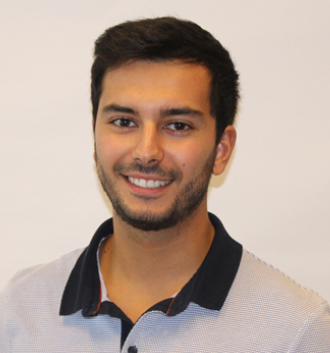
Luca La Fisca - Project Liaison Officer
From Black-Box to Trust: Designing Explainable AI Pipelines with EX-DSS

Giulia Rinaldi - Cyber Data Engineer Part of the Innovation & Product Policy Secure Communication and Information Systems Thales Belgium
Securing AI Systems: Understanding and Mitigating Adversarial Attacks
As deep learning models are increasingly deployed in safety-critical applications, their vulnerability to adversarial attacks raises major concerns for system security. These attacks exploit the sensitivity of neural networks to input perturbations, leading to severe model failures. This presentation will introduce the fundamental principles behind adversarial example generation, detailing common threat models and attack algorithms. We will also examine their practical impact through illustrative cases in computer vision and natural language processing, highlighting the security implications for real-world AI systems. Finally, the talk will discuss current state-of-the-art defenses, including adversarial training and formal verification techniques.
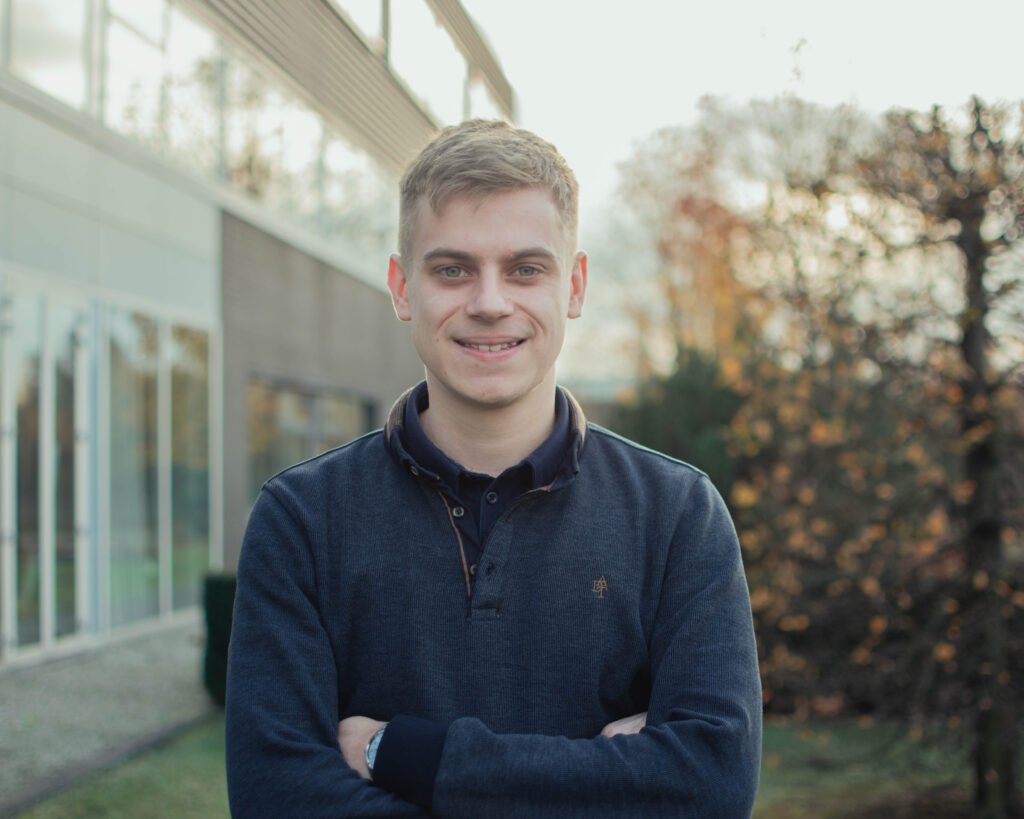
Nicolas Sournac - AI Research Engineer
- 15:00 - 15:30
Confidential ML for unmanned vehicles (securing ML models from extraction)
Merlijn Sebrechts (imec/IDLab) & Laurens D’Hooge (IDLab-imec)
Auditorium
Machine learning models and other software on Unmanned Vehicles (UVs) are not safe. It’s often trivial for adversaries with physical access to extract the models on a device. This risks theft of intellectual property and can even help adversaries develop countermeasures to “fool” or hijack AI models. While confidential computing is a promising technology to protect data and models while they’re in use, the hardware in most UVs does not actually support modern confidential computing solutions. This talk will investigate the confidential computing solutions of commercial off-the-shelf hardware in UVs, show off a demo taking advantage of these features, and take a peek into the future of confidential computing for UVs.

Merlijn Sebrechts - Senior Researcher
Laurens D'hooge - Postdoctoral researcher
- 15:30 - 15:45
Coffee break
- 15:45 - 16:15
Secure Federated Learning with Model Compression, Knowledge Distillation and Fully Homomorphic Encryption
Xavier Lessage (Cetic)
Auditorium
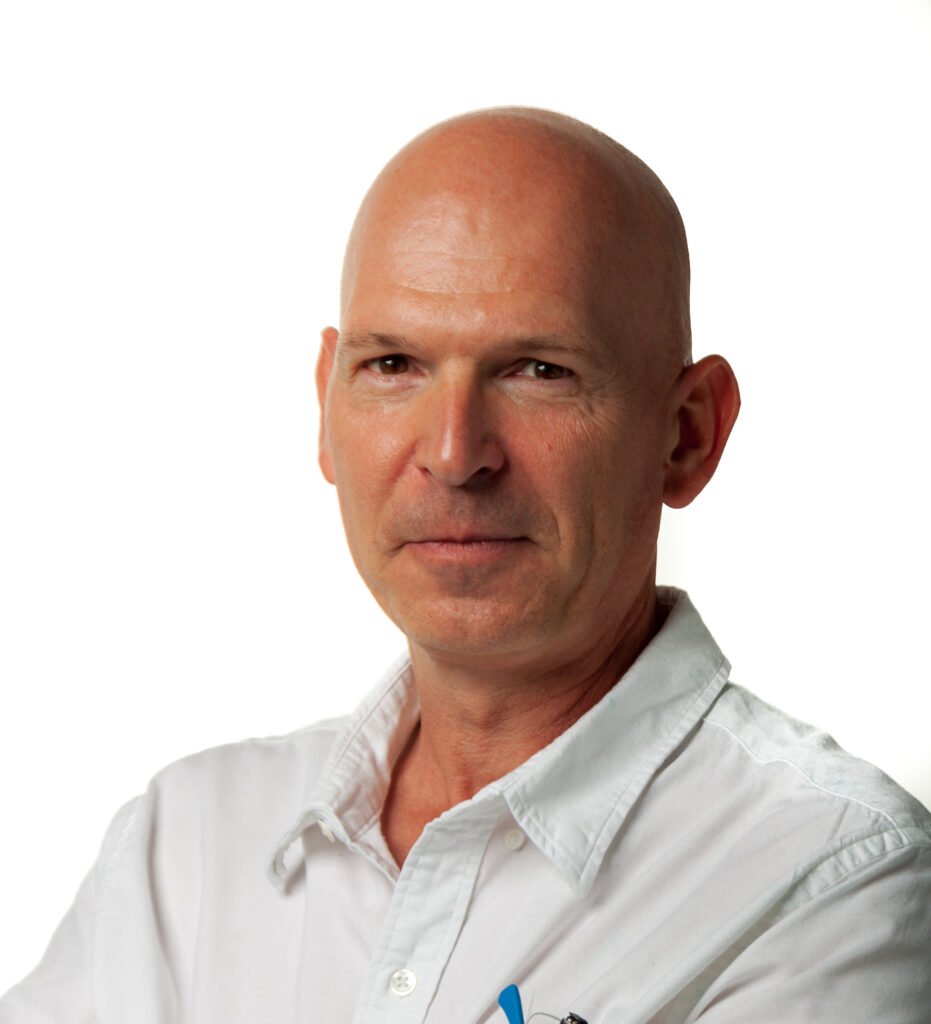
Xavier Lessage - An expert research engineer in the Data Science department
- 16:15 - 16:45
Homomorphic ciphering: industrial approach
Mohamed Boukhebouze (Earth Lab Luxembourg)
Auditorium
Earth Observation (EO) data are increasingly critical in sensitive domains such as defense, border surveillance, and critical infrastructure monitoring. These datasets are not only voluminous (e.g., multispectral to hyperspectral and SAR imagery) but also frequently classified, sovereign, and geographically dispersed across satellites, ground stations, cloud, edge, and HPC infrastructures. This fragmentation introduces significant cybersecurity risks: data interception, unauthorized access through API vulnerabilities, AI model attacks (e.g., backdoors, gradient inversion), and leakage via insecure multi-tier storage or misconfigured services. To address these challenges, this talk presents the design and practical implementation of Federated Learning (FL) within EarthLab’s Max-ICS platform (https://www-max-ics.earthlab.lu/), enabling secure, distributed EO data processing in sensitive environments. FL allows multiple stakeholders, such as defense ministries, space agencies, and interoperable coalitions (e.g., NATO, EU), to collaboratively train AI models without centralizing sensitive data, preserving sovereignty and reinforcing trust across organizations. Beyond data decentralization, we also explore how Homomorphic Encryption (HE) can be integrated into the FL workflow to ensure end-to-end confidentiality of exchanged model parameters and gradients. By allowing computations directly on encrypted data, HE strengthens privacy guarantees, preventing information leakage during model aggregation or communication phases. The presentation will discuss the architectural integration of HE into Max-ICS, the trade-offs between performance and security, and lessons learned from practical testing. We will conclude with a roadmap toward resilient, scalable, and trustworthy AI architectures for secure Earth Observation ecosystems.

Mohamed Boukhebouze - AI Product Manager
- 16:45 - 17:00
Ending session
Jonathan Pisane (Thales Belgium) and Philippe Massonet (CETIC)
Auditorium
Although practised as an art and science for ages, cryptography had to wait until the mid-twentieth century for Claude Shannon to endow it with a rigorous mathematical foundation. However, Shannon’s approach was rooted in his own information theory, itself inspired by the classical physics of Newton and Einstein. Yet, the world in which we live is subject to the laws of quantum theory, no matter how bewildering, whose experimental verification half a century ago was rewarded in 2022 by the Nobel Prize in Physics. When quantum theory is taken into account, new vistas open up both for codemakers and codebreakers. Is this a blessing or a curse for cybersecurity? Quantum computers will soon be capable of computations that would be unthinkable for a conventional computer, which will seriously undermine the so-called security of Internet communications as we practise them today. Nevertheless, the same quantum theory gives rise to new cryptographic paradigms that are in principle invulnerable to arbitrary attacks, even by an adversary capable of harnessing unlimited computing power and technology. However, this unconditional security requires quantum cryptography to be implemented according to the theory, which is very challenging. Will the cat-and-mouse game between codebreakers and codemakers soon reach a decisive outcome? As we shall see, the jury is still out!
No prior knowledge in cryptography or quantum theory will be assumed. Please note that this talk will be given in French, with slides written in English.
Jonathan Pisane - Innovation & Product Policy Manager
Philippe Massonet - Scientific Coordinator
Quantum Technology and Cybersecurity
This session of the Cyber and Quantum Day program explores the transformative impact of quantum technologies on secure communications and their implications for cybersecurity.
The event will begin with a technical exploration of Quantum Key Distribution (QKD), providing attendees with a solid foundation for understanding its critical role in securing communications against quantum threats.
The agenda continues with presentations on the latest breakthroughs in QKD networks, highlighting both theoretical models and practical deployments. Experts will also explore the integration of QKD with Post-Quantum Cryptography (PQC), examining hybrid approaches to achieve robust and scalable quantum-safe solutions.
A panel discussion will convene leading voices from academia, industry, and critical infrastructure sectors to address the challenges and opportunities of building quantum-secure communications.
This exchange will consider technical, economic, and regulatory perspectives, with a focus on the concrete steps required to prepare for a quantum-resilient future. Finally, the day will conclude with an exclusive visit to the Gilles Brassard Quantum Cryptography Lab, an open research platform dedicated to advancing secure communications in the quantum era.
By bringing together experts from institutions and companies—including Università di Padova, Université de Liège, Multitel, Starion, and Thales—the event fosters collaboration, knowledge exchange, and innovation.
The Cyber and Quantum Day aims to provide a holistic view of the opportunities and challenges in leveraging quantum technologies to transform secure communications, paving the way toward a trusted digital future.
- 08:00 - 09:00
Welcome & Registration
- 09:00 - 09:10
Introduction to the 'quantum day'
Serge Habraken (CSL)
Auditorium
This presentation explores the fundamental concepts behind Quantum Key Distribution (QKD) and the challenges arising from its implementation in spatial contexts. The first part introduces the theoretical foundations of QKD, providing an overview of its operating principles. It covers key ideas such as the growing threat posed by quantum computers, the basics of modern cryptography, and the quantum mechanics principles relevant to QKD. The second part adopts a more technological perspective, presenting the hardware and systems required to exchange quantum keys and discussing several approaches to building these resources. Overall, this presentation aims to provide a clear introduction to QKD, accessible to an audience without prior background in the field.
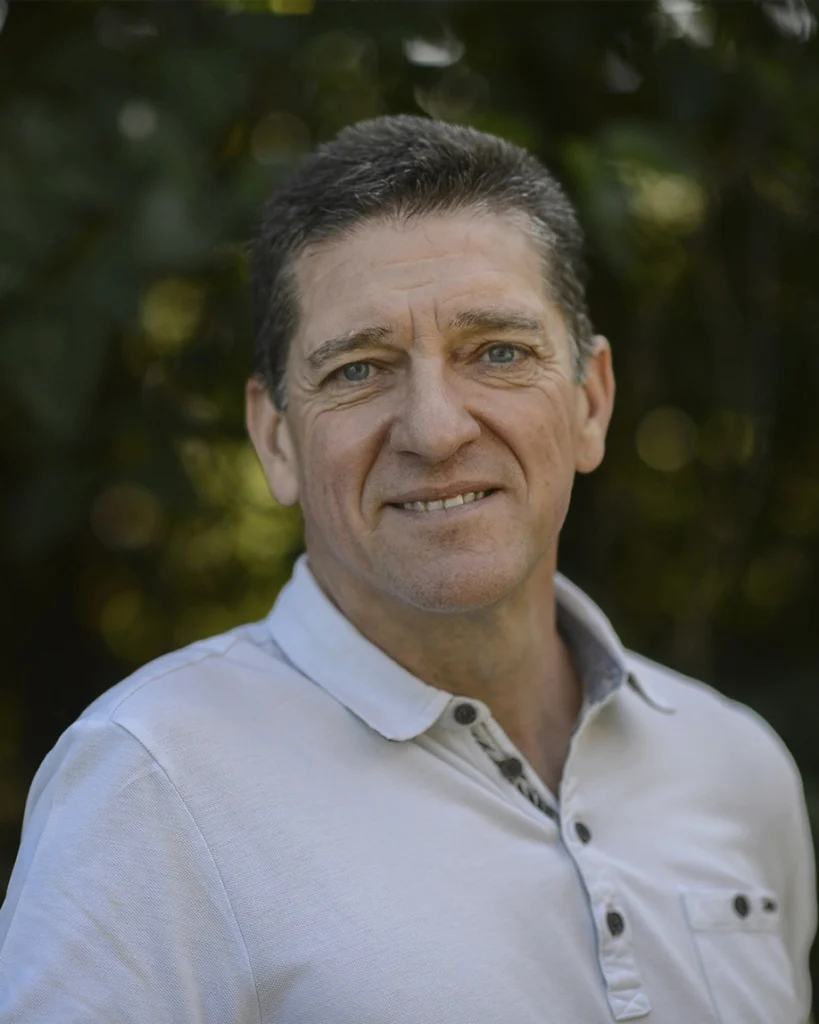
Serge Habraken - President of the Board of Directors
- 09:10 - 10:10
Technical introduction to QKD
Serge Habraken (CSL)
Auditorium
This presentation explores the fundamental concepts behind Quantum Key Distribution (QKD) and the challenges arising from its implementation in spatial contexts. The first part introduces the theoretical foundations of QKD, providing an overview of its operating principles. It covers key ideas such as the growing threat posed by quantum computers, the basics of modern cryptography, and the quantum mechanics principles relevant to QKD. The second part adopts a more technological perspective, presenting the hardware and systems required to exchange quantum keys and discussing several approaches to building these resources. Overall, this presentation aims to provide a clear introduction to QKD, accessible to an audience without prior background in the field.
Serge Habraken - President of the Board of Directors
- 10:10 - 10:20
Coffee break
- 10:20 - 11:35
Space-based Quantum Key Distribution
Francesco Vedovato (University of Padova & ThinkQuantum s.r.l.)
Auditorium
The idea of exploiting satellites to realize a global Quantum Key Distribution (QKD) network took shape in the early 2000s. After the first pioneering demonstrations—showing the feasibility of different encodings over satellite-to-ground channels—the efforts of the Chinese Academy of Sciences culminated in multiple satellites in orbit and the successful realization of space-based QKD. In parallel, Europe—under the coordination of the European Space Agency (ESA)—has advanced mission studies and started several initiatives, including the Eagle-1 satellite and the SAGA constellation, planned for deployment in the coming years.
This talk will present a historical overview of the development of space-based QKD, as well as the goals and challenges of the upcoming ESA missions, and will benefit from the speaker’s direct involvement in R&D across academia and industry since 2015.
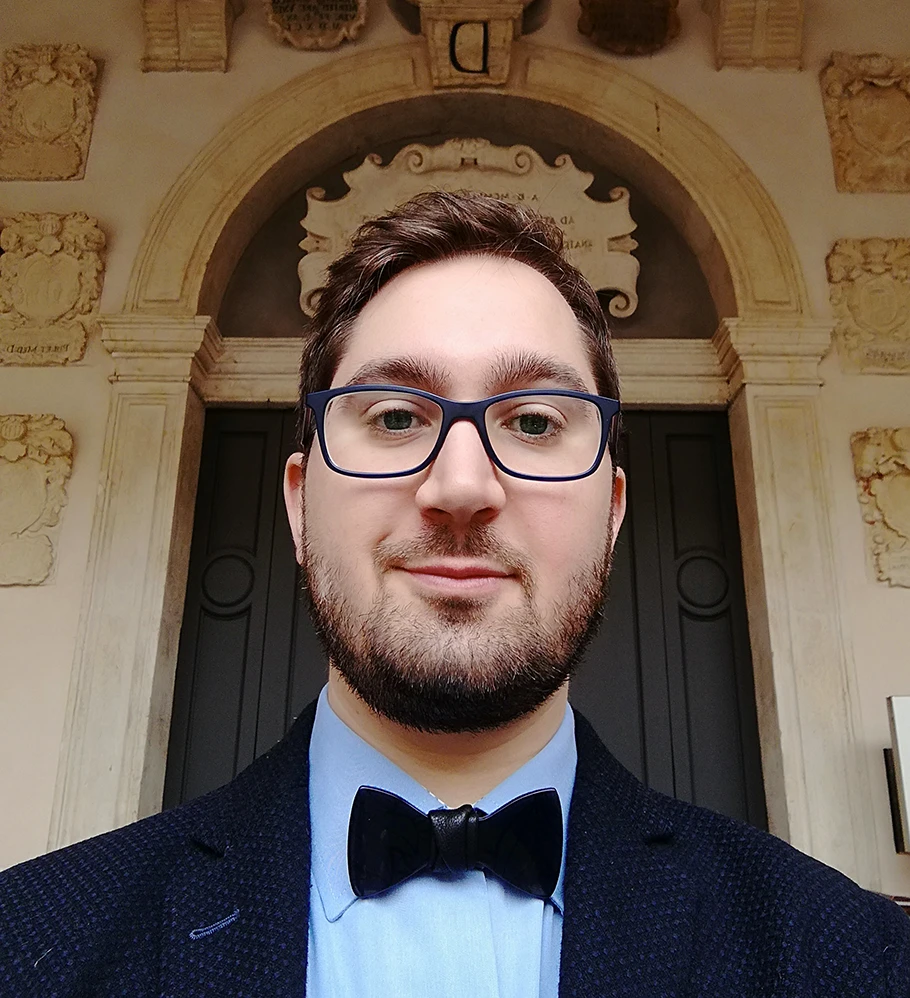
Francesco Vedovato - Assistant Professor @ Department of Information Engineering & Co-founder and product developer
- 11:35 - 12:20
Thesis in QKD
Selim Chaabani (ULiege), Antoine Groulard (ULiège and CSL) & Fatou Diao (multitel)
Auditorium
The PhD thesis of Selim Chaabani focuses on the development of single-photon sources for quantum key distribution (QKD), a key technology for secure communications. This work explores both the theoretical and experimental aspects of designing reliable single-photon emitters, with a long-term vision towards applications in space-based quantum networks. The presentation will outline the main stages of the development of one of these sources — from theory to laboratory implementation — and will include some preliminary experimental results.

Selim Chaabani - PhD Student
Antoine Groulard’s PhD thesis focuses on the interaction between laser photons and the atmosphere of the Earth to enable space Quantum Key Distribution (QKD). Currently limited to theoretical studies, Antoine aims to test his atmospheric interaction model in a large-scale experiment in the following years. This presentation will focus on the description of the model and how it can help to implement space Quantum Key Distribution.
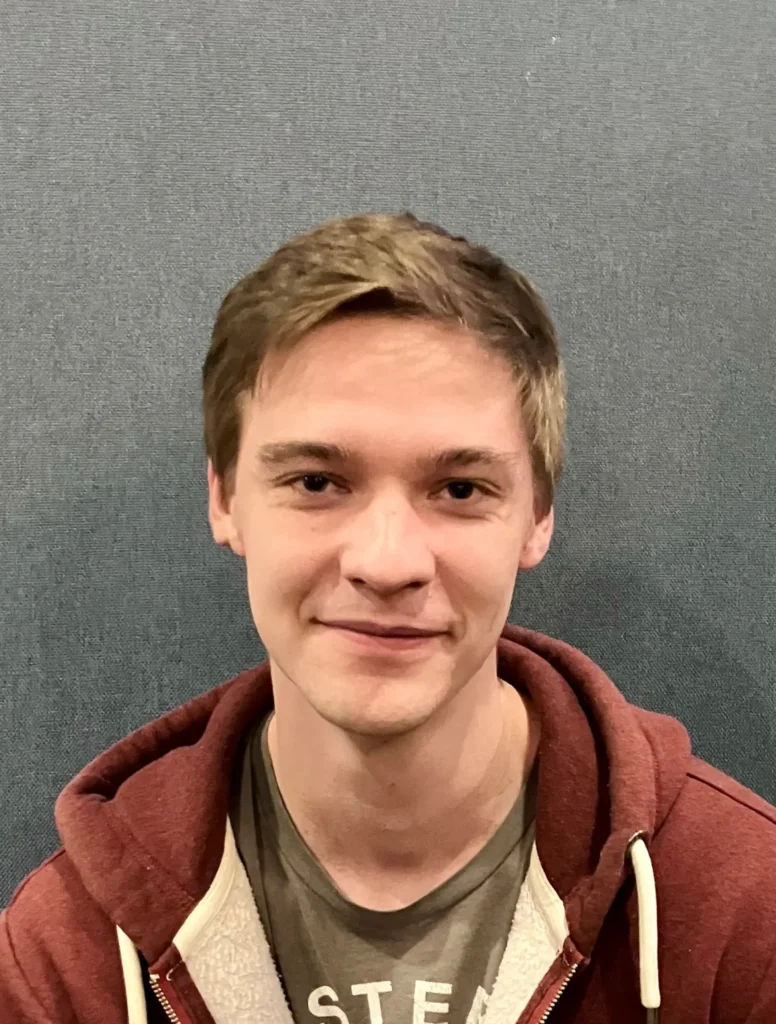
Antoine Groulard - PhD Student
This presentation introduces the practical implementation of a Quantum Key Distribution (QKD) system based on the BB84 protocol, designed as a compact and robust demonstrator. The setup establishes a secure key exchange between Alice and Bob using attenuated laser pulses and polarization encoding transmitted through optical fibers equipped with LiNbO₃ phase modulators. The system currently achieves a quantum bit error rate of 2–5% and a secure key rate ranging from 1 to 10 kbit/s, reflecting both its stability and operational constraints. Once generated, the quantum keys are securely stored and can be integrated into classical infrastructures for various applications—for example, enabling encrypted communication over a VPN channel.
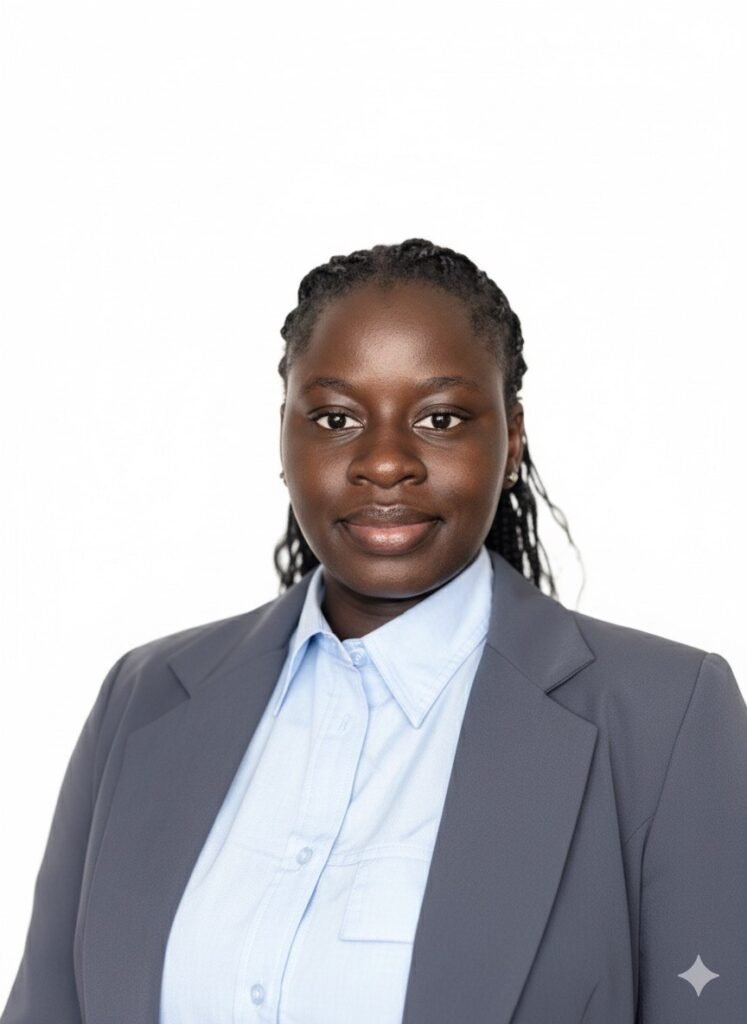
Fatou Diao - Quantum Cybersecurity Researcher
- 12:20 - 12:30
Spontaneous presentation of the public activities
Fatou Diao
Auditorium
The activity involves a spontaneous presentation of public activities, allowing participants to volunteer and present their activities related to quantum-resilient communications or, more generally, to cybersecurity in a friendly atmosphere. The organizers hope this will encourage networking among participants during the lunch break scheduled afterward.”

Fatou Diao
- 12:30 - 13:30
Lunch
- 13:30 - 14:10
INT-UQKD: challenges, achievements, and new goals
Patrick Renaux (Starion Luxembourg S.A (Starion Group))
Auditorium
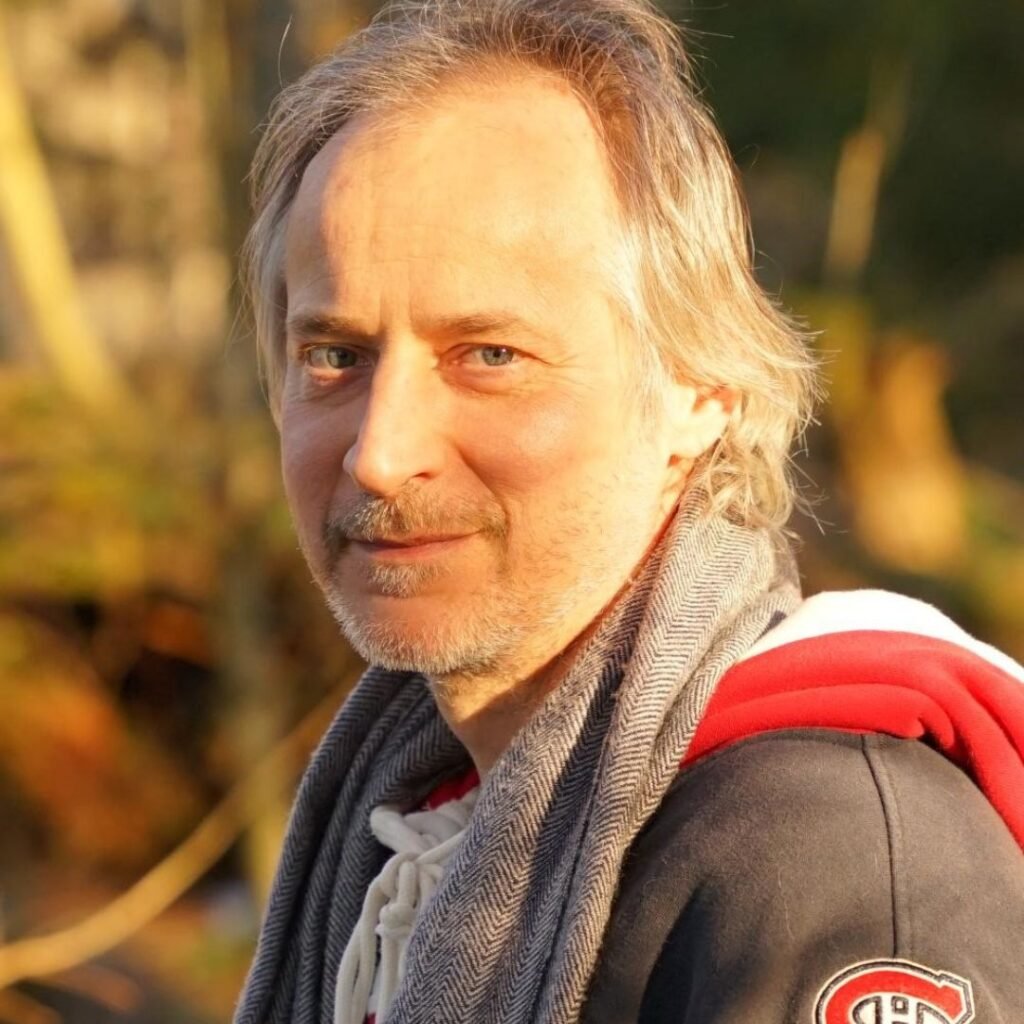
INT-UQKD project started in September 2022, building and operating an interoperable terrestrial and space QKD network, capable of delivering a cost-efficient quantum-safe solution able to support multiple use cases.
In operating the terrestrial link since august 2023 Starion Luxembourg and its partners have gain practical experience paving the way to future development in Europe towards an agnostic quantum-safe service platform capable of operating across multiple QKD system solutions on a global scale.
Patrick Renaux - Senior Cybersecurity Architect
- 14:10 - 14:50
Cybersecurity: the reverse side of the quantum-computing medal
Werner Coomans (Bell Labs DMTS, Nokia)
Auditorium
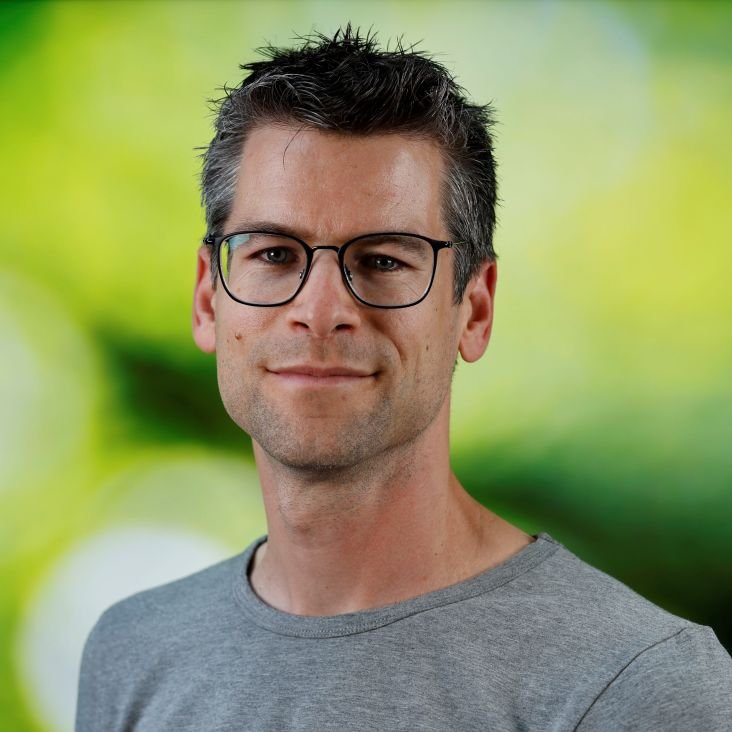
Quantum computers give rise to tremendous opportunities in terms of scientific discoveries, able to solve problems out of reach of even the most powerful classical supercomputers. However, there is also a downside: quantum computers will also be able to crack a large family of cryptographic algorithms, which today are used all over the internet. This talk will explain why the threat is already real today, and why it’s of paramount importance to start the migration to quantum-safe primitives as soon as possible. It will give an overview of the solution landscape with a focus on networking, introduce core concepts of the migration journey, and address the role of telecommunication networks in the largest cybersecurity migration in human history.
Werner Coomans - Technology Advisor
- 14:50 - 15:00
Coffee break
- 15:00 - 15:30
Post-quantum cryptography: context and actions
Sarah Ampe (EY)
Auditorium
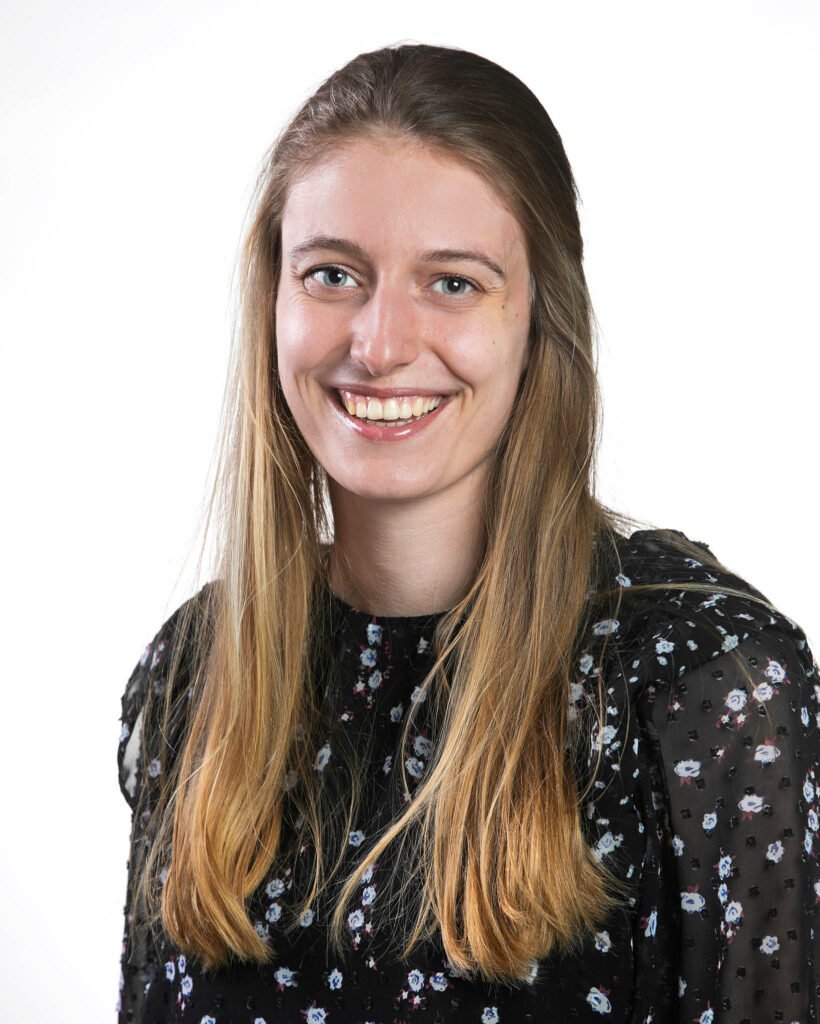
Post-quantum cryptography (PQC) refers to cryptographic algorithms designed to be secure against the potential threats posed by quantum computers. Unlike traditional systems based on RSA or ECC, which rely on mathematical problems that quantum algorithms can solve efficiently, PQC is built on hard problems that remain resistant even in the quantum era. As quantum computing advances, the urgency to transition to quantum-safe cryptographic standards grows. This presentation will provide a clear overview of PQC, its foundational principles, and the current landscape of standardization efforts led by organizations like NIST. We will then explore the challenges and strategies involved in migrating existing systems to PQC, including hybrid approaches, risk assessments, and implementation timelines. Attendees will gain insight into how to prepare their infrastructure for a quantum-resilient future.
Sarah Ampe - Manager Digital Risk
- 15:30 - 16:00
QKD solutions and quantum-safe alternatives: Comparison or Combination?
Jean Lienardy (the Royal Military Academy)
Auditorium
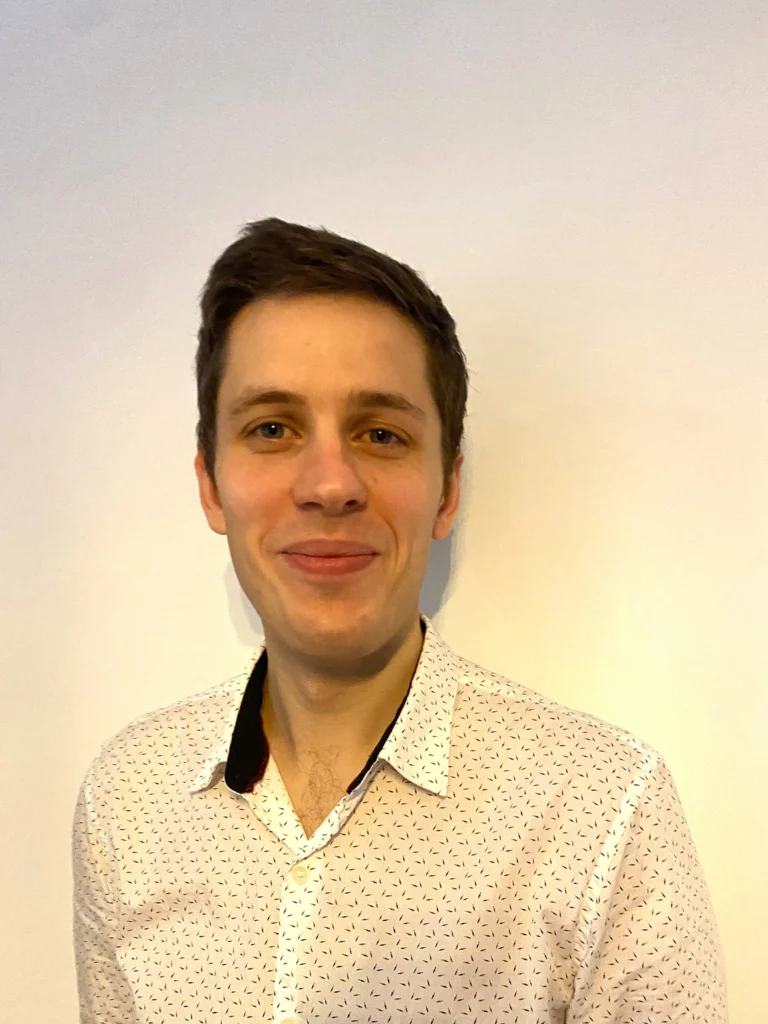
As quantum computing capabilities advance, two complementary approaches are emerging for protecting communications: post-quantum cryptography (PQC), which relies on new mathematical hardness assumptions and runs on classical devices, and quantum key distribution (QKD), whose security is rooted in quantum physics – hence promising information-theoretic security – yet requiring specific hardware. These solutions are based on substantially different paradigms and offer various levels of assurance. Between the ends of this spectrum lie additional classical quantum-safe techniques, which trade usability features for stronger security guarantees.
We critically compare these paradigms from the point of view of security claims (assumptions, provable-security models), performance (latency, throughput), cost and maturity (standards, hardware, operations), and deployment constraints (distance, infrastructure, interoperability).
We clarify where each approach excels and where limitations hinder their global adoption, such as the long-term cryptanalytic uncertainty for PQC (harvest-now-decrypt-later risk) or the authentication problem for QKD.
Finally, we will discuss if and how QKD could interact with PQC solutions in a secure cryptosystem, addressing multiple challenges including the end-to-end security chain, trust assumptions, and ways to achieve hybridisation.
Jean Lienardy - Researcher in Cryptography
- 16:00 - 17:00
Panel discussion
Auditorium
Although practised as an art and science for ages, cryptography had to wait until the mid-twentieth century for Claude Shannon to endow it with a rigorous mathematical foundation. However, Shannon’s approach was rooted in his own information theory, itself inspired by the classical physics of Newton and Einstein. Yet, the world in which we live is subject to the laws of quantum theory, no matter how bewildering, whose experimental verification half a century ago was rewarded in 2022 by the Nobel Prize in Physics. When quantum theory is taken into account, new vistas open up both for codemakers and codebreakers. Is this a blessing or a curse for cybersecurity? Quantum computers will soon be capable of computations that would be unthinkable for a conventional computer, which will seriously undermine the so-called security of Internet communications as we practise them today. Nevertheless, the same quantum theory gives rise to new cryptographic paradigms that are in principle invulnerable to arbitrary attacks, even by an adversary capable of harnessing unlimited computing power and technology. However, this unconditional security requires quantum cryptography to be implemented according to the theory, which is very challenging. Will the cat-and-mouse game between codebreakers and codemakers soon reach a decisive outcome? As we shall see, the jury is still out!
No prior knowledge in cryptography or quantum theory will be assumed. Please note that this talk will be given in French, with slides written in English.

Joachim Vererfven - Solution Engineer
Francesco Vedovato - Assistant Professor @ Department of Information Engineering & Co-founder and product developer
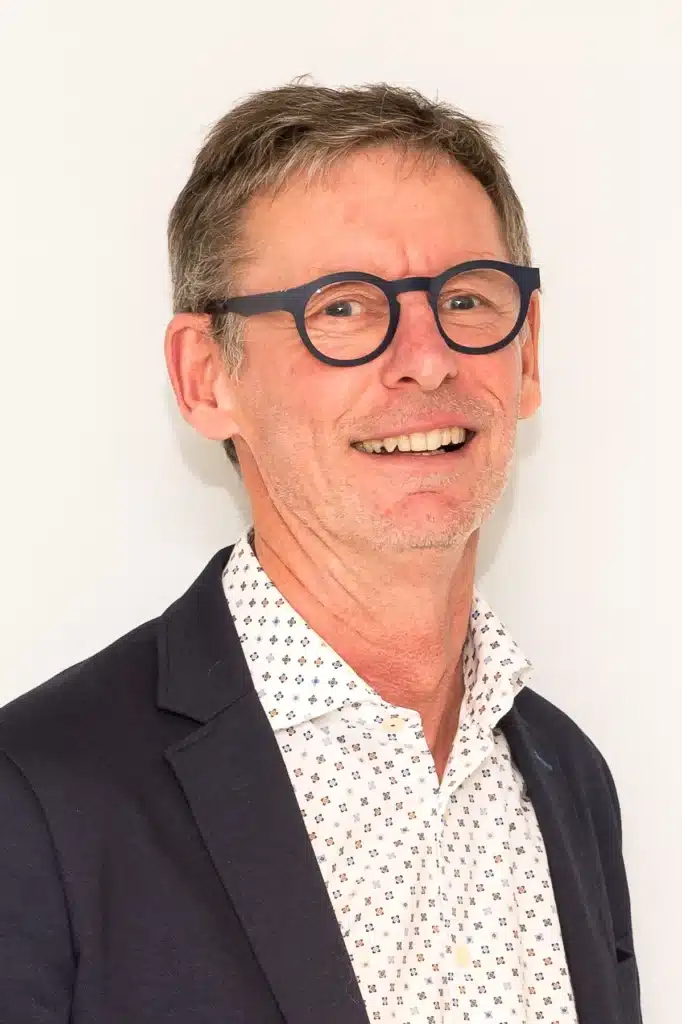
Olivier Croix - Cyber Product Line Manager
Werner Coomans - Technology Advisor
- 17:00 - 17:10
Closing session
Jonathan Pisane (Thales)
Auditorium
Although practised as an art and science for ages, cryptography had to wait until the mid-twentieth century for Claude Shannon to endow it with a rigorous mathematical foundation. However, Shannon’s approach was rooted in his own information theory, itself inspired by the classical physics of Newton and Einstein. Yet, the world in which we live is subject to the laws of quantum theory, no matter how bewildering, whose experimental verification half a century ago was rewarded in 2022 by the Nobel Prize in Physics. When quantum theory is taken into account, new vistas open up both for codemakers and codebreakers. Is this a blessing or a curse for cybersecurity? Quantum computers will soon be capable of computations that would be unthinkable for a conventional computer, which will seriously undermine the so-called security of Internet communications as we practise them today. Nevertheless, the same quantum theory gives rise to new cryptographic paradigms that are in principle invulnerable to arbitrary attacks, even by an adversary capable of harnessing unlimited computing power and technology. However, this unconditional security requires quantum cryptography to be implemented according to the theory, which is very challenging. Will the cat-and-mouse game between codebreakers and codemakers soon reach a decisive outcome? As we shall see, the jury is still out!
No prior knowledge in cryptography or quantum theory will be assumed. Please note that this talk will be given in French, with slides written in English.
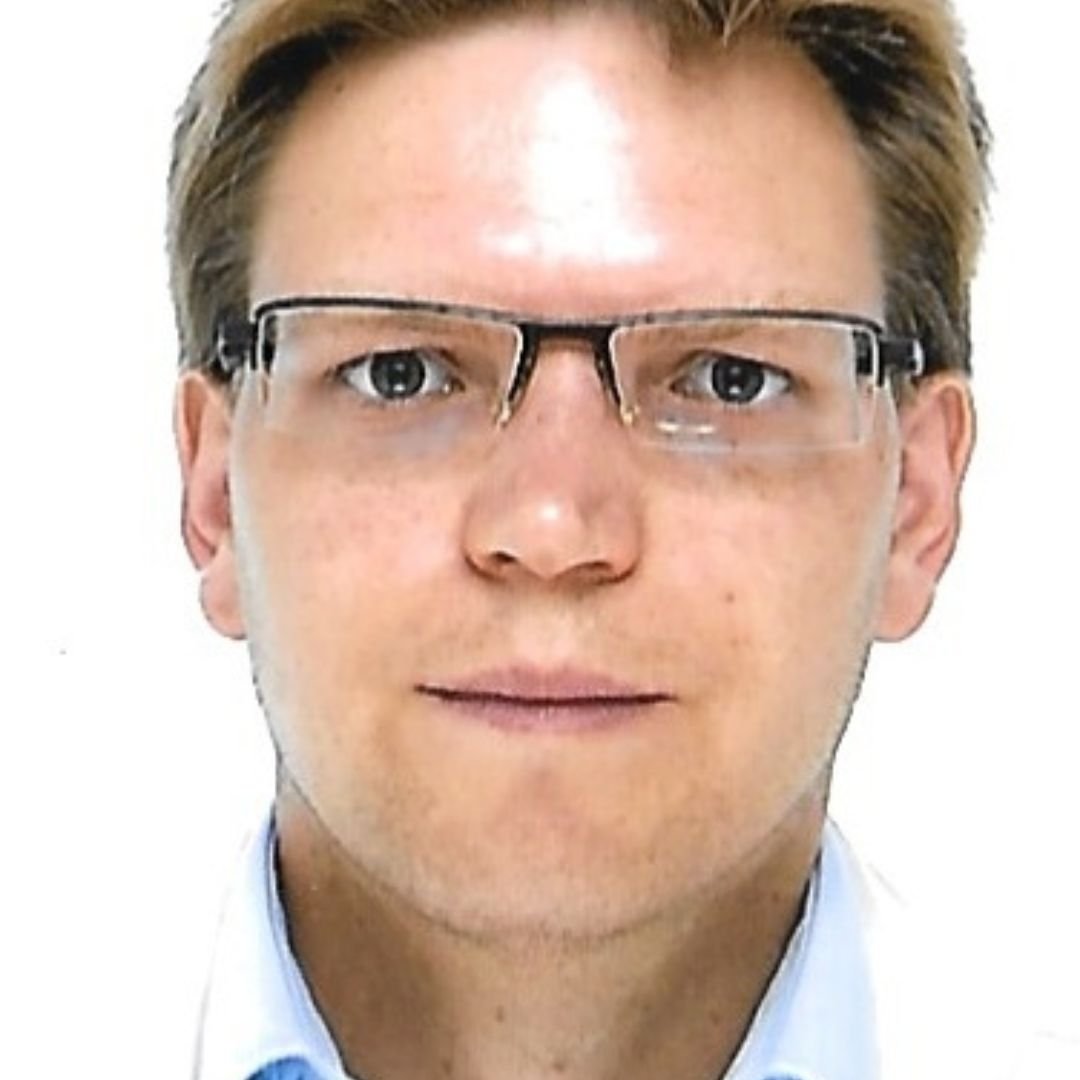
Jonathan Pisane - Innovation & Product Policy Manager
- 17:10 - 17:40
Visit of Quantum lab
Antoine Dierick (Thales)
Auditorium
The activity involves a spontaneous presentation of public activities, allowing participants to volunteer and present their activities related to quantum-resilient communications or, more generally, to cybersecurity in a friendly atmosphere. The organizers hope this will encourage networking among participants during the lunch break scheduled afterward.”
Cyber protection in practise
This conference day spotlights cybersecurity in action. From threat monitoring, incident management, and workforce training to data securitization, ethical hacking, and the protection of national assets, the focus is on how organizations execute security in practice. We explore Europe’s evolving digital identity under eIDAS II and close with insights on sovereign cloud solutions in Belgium and Luxembourg—where sensitive data meets trusted AI.
- 08:00 - 08:30
Welcome & Registration
- 08:30 - 09:45
Protecting systems by anticipation - ISAC operations
Alexandre Dulaunoy (CIRCL)
Auditorium
Although practised as an art and science for ages, cryptography had to wait until the mid-twentieth century for Claude Shannon to endow it with a rigorous mathematical foundation. However, Shannon’s approach was rooted in his own information theory, itself inspired by the classical physics of Newton and Einstein. Yet, the world in which we live is subject to the laws of quantum theory, no matter how bewildering, whose experimental verification half a century ago was rewarded in 2022 by the Nobel Prize in Physics. When quantum theory is taken into account, new vistas open up both for codemakers and codebreakers. Is this a blessing or a curse for cybersecurity? Quantum computers will soon be capable of computations that would be unthinkable for a conventional computer, which will seriously undermine the so-called security of Internet communications as we practise them today. Nevertheless, the same quantum theory gives rise to new cryptographic paradigms that are in principle invulnerable to arbitrary attacks, even by an adversary capable of harnessing unlimited computing power and technology. However, this unconditional security requires quantum cryptography to be implemented according to the theory, which is very challenging. Will the cat-and-mouse game between codebreakers and codemakers soon reach a decisive outcome? As we shall see, the jury is still out!
No prior knowledge in cryptography or quantum theory will be assumed. Please note that this talk will be given in French, with slides written in English.
Alexandre Dulaunoy - Head of CIRCL
- 09:45 - 11:00
Increase resilience by training and deep rehearsal of cyber crises
Vincent Defrenne (NVISO)
Auditorium
What makes the difference between days and weeks of recovery time? Beyond the obvious controls, there is the quality of the response: being prepared; understanding roles, responsibilities and communication flows in the context of a crisis; having plans that not only exist, but are also usable. But beyond plans, there is experience. We will discuss how you build experience without going through the trauma of a cyber attack, through exercises. How you build knowledge of the plans, an intuition of how an incident unravels, what sort of questions you will need to solve, so that you have structure and peace of mind when disaster hits. We’ll discuss how to organize exercises to train your teams, key success criteria, typical scenarios and concrete tips & tricks to run cyber exercises that makes your organization better prepared.

Vincent Defrenne - Partner Cyber Strategy & Architecture
- 11:00 - 11:30
Coffee break
- 11:30 - 12:45
Ethical Hacking or how to stress test your cyber safety
Clément Laurens (CRESCO)
Auditorium
During this presentation, we will explore the world of cybersecurity through a live hacking demonstration, aimed at illustrating the methods used by hackers to infiltrate a system and the means of protecting against them. This demonstration will provide a better understanding of attack mechanisms, but above all, best practices for defence. We will then present the current figures and trends in the sector: the explosion in the number of cyberattacks, the rise of phishing and ransomware, and the boom in the global cybersecurity market, estimated to be worth several hundred billion pounds. We will also highlight the growing demand for specialists capable of anticipating and countering these threats. This presentation aims to raise awareness of the importance of digital security and to show that vigilance and prevention are the best defences against IT risks.

Clément Laurens - Co-founder
- 12:45 - 13:30
Lunch
- 13:30 - 14:45
Safeguarding national data for better & safely exploiting it
Bert Verdonck (LNDS)
Auditorium
Although practised as an art and science for ages, cryptography had to wait until the mid-twentieth century for Claude Shannon to endow it with a rigorous mathematical foundation. However, Shannon’s approach was rooted in his own information theory, itself inspired by the classical physics of Newton and Einstein. Yet, the world in which we live is subject to the laws of quantum theory, no matter how bewildering, whose experimental verification half a century ago was rewarded in 2022 by the Nobel Prize in Physics. When quantum theory is taken into account, new vistas open up both for codemakers and codebreakers. Is this a blessing or a curse for cybersecurity? Quantum computers will soon be capable of computations that would be unthinkable for a conventional computer, which will seriously undermine the so-called security of Internet communications as we practise them today. Nevertheless, the same quantum theory gives rise to new cryptographic paradigms that are in principle invulnerable to arbitrary attacks, even by an adversary capable of harnessing unlimited computing power and technology. However, this unconditional security requires quantum cryptography to be implemented according to the theory, which is very challenging. Will the cat-and-mouse game between codebreakers and codemakers soon reach a decisive outcome? As we shall see, the jury is still out!
No prior knowledge in cryptography or quantum theory will be assumed. Please note that this talk will be given in French, with slides written in English.
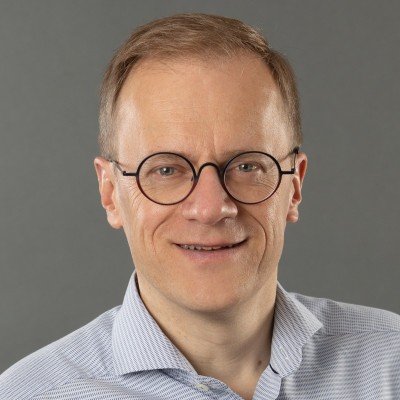
Bert Verdonck - CEO
- 14:45 - 16:00
Managing European digital identity and related attributes under eIDAS2
Thomas Kopp (LuxTrust)
Auditorium
Thomas Kopp - Chief Scientist
- 16:00 - 16:30
Coffee break
- 16:30 - 17:45
Using AI on sensitive data through disconnected sovereign cloud
Pascal Rogiest (Clarence)
Auditorium

Pascal Rogiest - General Manager
Sold out
Training and Cyber Range
In the current European context of digital sovereignty and the implementation of NIS2, cyber ranges are emerging as strategic infrastructures — with Belgium playing a key role. Beyond training, they offer a shared, realistic, and interoperable environment to test and validate technologies, procedures, and IT/OT integrations, while leveraging digital twins to accelerate innovation and compliance (Cyber Resilience Act). This day will be dedicated to exploring cyber ranges and their applications — training, testing, and digital twins — with partners from across the European Union.
- 08:30 - 09:00
Welcome & Registration
- 09:10 - 10:00
The role of cyber ranges in training, testing/validation, and digital twins in the context of NIS2 and CRA
Matteo Merialdo (Nexova)
Auditorium
In a Europe pursuing digital sovereignty and implementing the NIS2 Directive and the Cyber Resilience Act, cyber ranges are moving from “training tools” to national-level strategic infrastructure. This session shows how modern cyber range technology is helping lead that shift. Drawing on real projects in Security Operations Centre operations, critical infrastructures (IT/OT) protection, and space systems, Matteo will illustrate how cyber ranges and digital twins provide shared, realistic, and interoperable environments to train teams, test and validate technologies and procedures, rehearse incident response, and accelerate compliance-by-design.

Matteo Merialdo - Cybersecurity Principal
- 10:00 - 10:10
Break & Group Formation
- 10:10 - 11:20
Demo Rotations
Cristel Pelsser (UCLouvain) , Fatou Diao (Multitel), Sirris, CETIC
The address of the “Centre de Cybersécurité IDELUX” is:
Parc d’activités Galaxia
Allée de la Comète 80
B-6890 Libin

Cristel Pelsser - Professor
Fatou Diao - Quantum Cybersecurity Researcher
Amel Achour - Senior Researcher
Demo 3 – Industrial CyberForge and Verification (SIRRIS, CETIC)
Demonstration of attacks linked to different vulnerabilites in a manufacturing environment with a mix of IT and ICS/OT. Illustration through different cs maturity levels that demonstrate a way to mitigate the risk. Discover attacks on common industrial protocols and how to secure your networks to avoid the propagation of the attack when a vulnerability is exploited. Verification of attacks will also be demonstrated to show how testing can be carried out to verify that appropriate copuntermeasures have been implemented to reduce the risk of the attack.
Thierry Coutelier - Sirris
Firas Belkarioui - Sirris
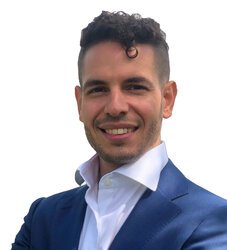
Malik Bouhou - Senior Researcher
- 11:20 – 11:30
Technical Break & Room Reset
- 11:30 – 12:30
Experience Briefing: “Designing a Tailor-Made Cybersecurity Course Using the Idelux Cyberrange”
Yves Ausloos
Auditorium
Participants will follow a simple, guided scenario showcasing the versatility of cyber ranges in decision-making, coordination, and real-time defense.
Yves Ausloos - Current Operations Data Link Officer
- 12:30 – 13:00
Roundtable & Q&A
Auditorium
Lessons learned, interoperability, and practical applications (training, testing, digital twinning)
Kim Guldstrand Larsen - Professor at Aalborg University, Department of Computer Science, Denmark
- 13:15 – 13:30
Closing
Auditorium
Light refreshments, wrap-up, and next steps.
Kim Guldstrand Larsen - Professor at Aalborg University, Department of Computer Science, Denmark
Our Program for the 5 days
Over the course of five days, participants will benefit from a balanced mix of theoretical insights and practical training sessions, designed to combine knowledge acquisition with hands-on experience.
To encourage networking and informal exchanges, morning and afternoon breaks are scheduled each day, providing the opportunity to connect with peers, speakers, and experts.
The program still holds exciting surprises in store for you. Stay tuned further details about the program will be available soon.
Previous edition
2024 Cyberwal in Galaxia Program
02 – 06 December 2024
2023 Cyberwal in Galaxia Program
04 – 08 December 2023
2022 Cyberwal in Galaxia Program
12 – 16 December 2022
2023 Cyberwal in Galaxia Program
04 – 08 December 2023
2022 Cyberwal in Galaxia Program
12 – 16 December 2022
Gallery